
A decade of planning ahead with MMS.
From the first water cart to mining fleets, the finance work has been about knowing what capacity is available before the next contract is won.
The first water cart, and the full funding picture
James Allan was introduced to MMS director Ben Broom in 2016. MMS supplied wet and dry hire plant and operators to civil contractors. Turnover was in the teens, below $20 million, with roughly 20 employees and 20 fleet assets. MFG’s first transaction was a water cart for a civil contracting job.
While arranging it, James reviewed finance across banks, non-banks and OEM funders, including Cat and Volvo equipment finance. Those arrangements had supported MMS to that point. A full fleet and commitment schedule showed Ben the repayments, lender exposure and immediate capacity in one place. Good repayment history can sometimes support higher ceilings or simpler repeat approvals after lender milestones, subject to policy.
That visibility mattered before bidding. Ben and James could map likely assets to lenders for the next job instead of treating every purchase as an isolated application.
An annual limit for a program of purchases
As turnover grew through roughly $30 million to $50 million, James reviewed MMS’s results and funding position with Ben regularly, often quarterly. MFG arranged its first annual asset finance master limit with a major bank, plus a secondary non-bank facility. The first master limit was $1.8 million. Today MFG manages $50 million in master limits across MMS.
A master limit is an annual approval for multiple equipment drawdowns, subject to the facility conditions, rather than a fresh full application for every acquisition. Establishing the first limit in this arrangement did not incur a setup cost.
MFG protected bank limit capacity for larger, harder-to-place or urgent purchases. Smaller used assets could go to suitable non-banks; larger transactions, often $500,000 to seven figures and beyond, could draw on competitive major-bank facilities where appropriate. This helped manage funding cost across the fleet and kept room for the next major machine. Rates and approvals remain subject to lender assessment.
Planning a mining fleet before the tender
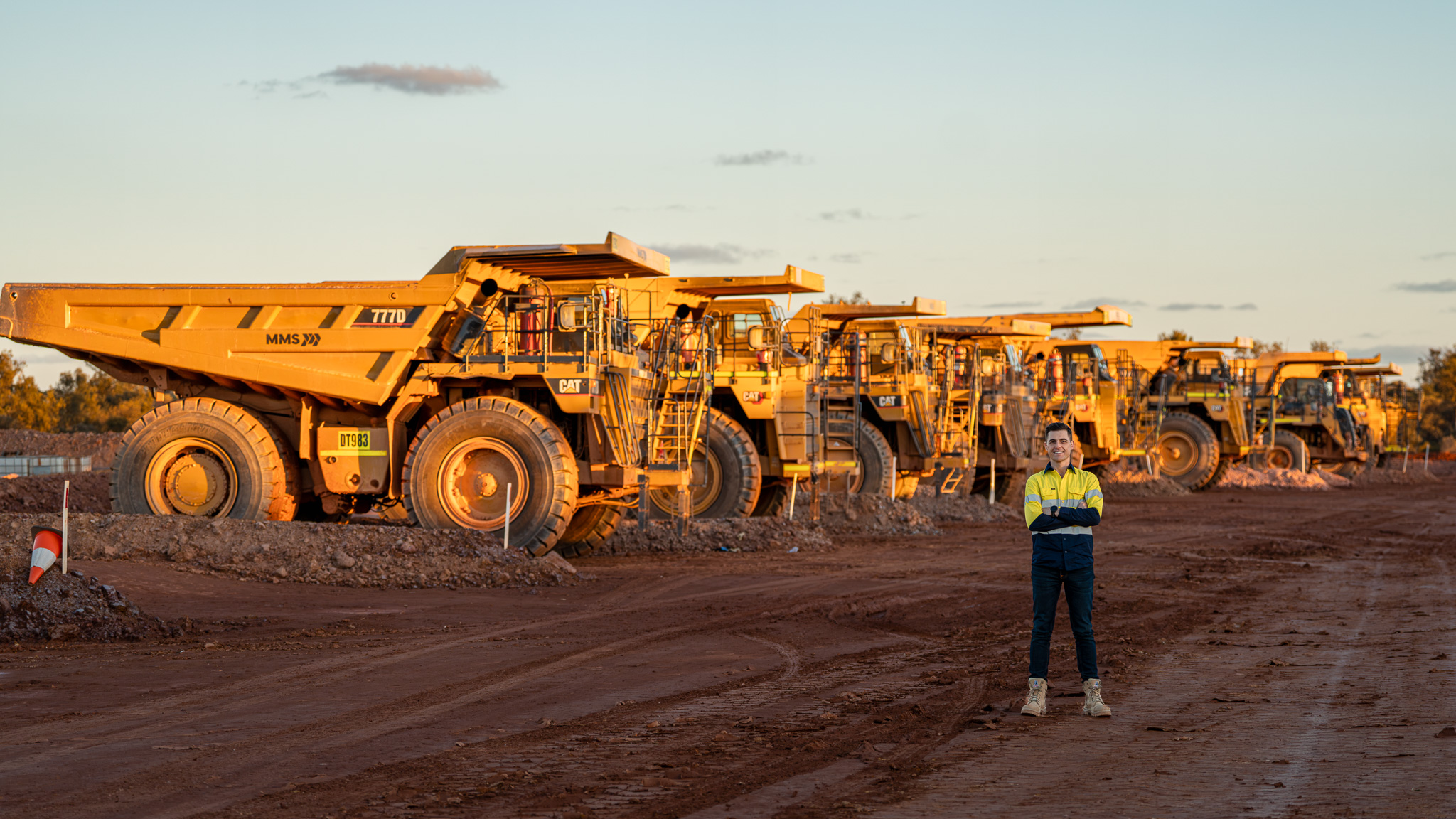
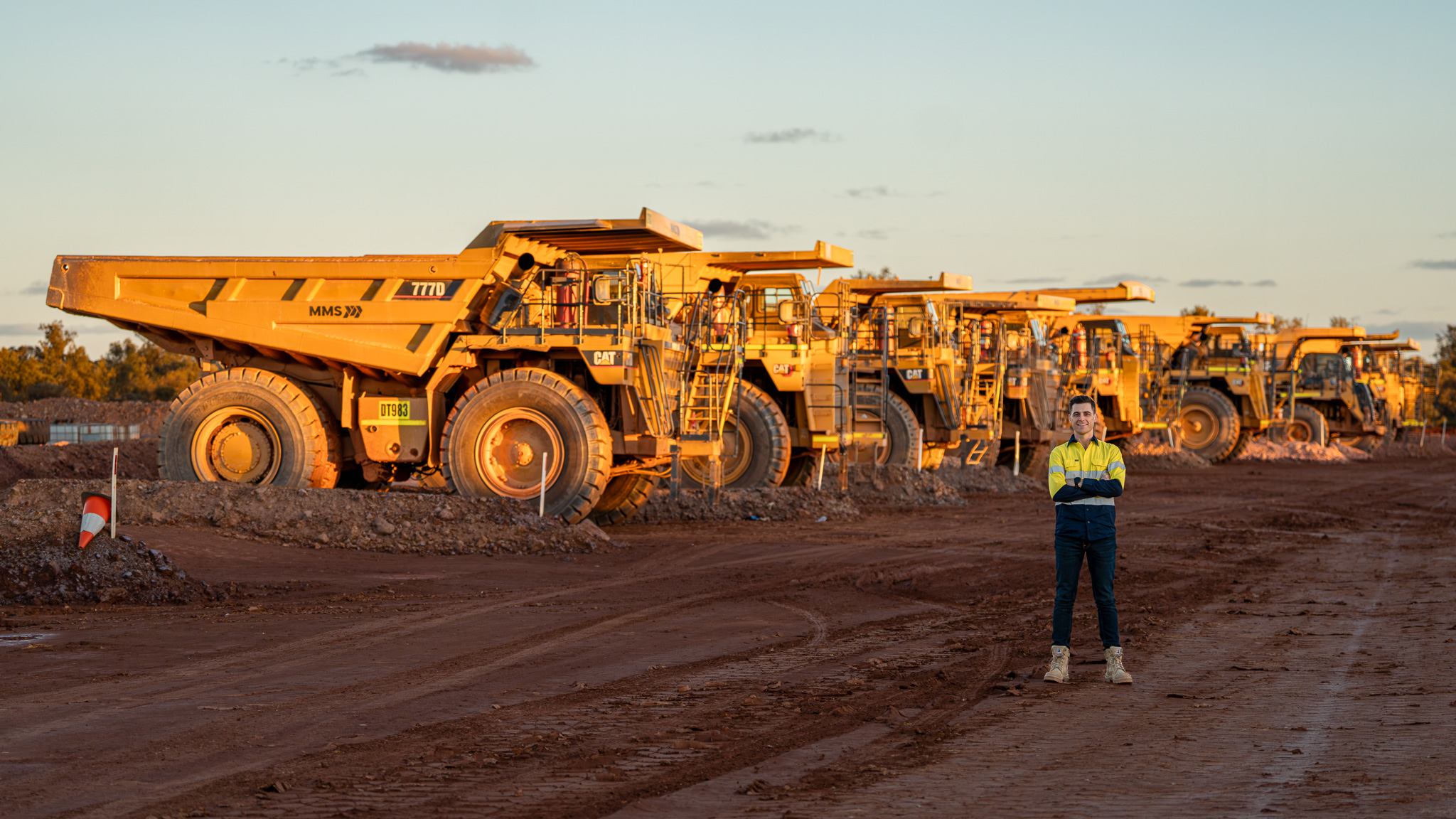
MMS shifted from civil contracting into mine services and rebranded as Mineral Mining Services. Turnover moved into the $50 million to $100 million range and eventually beyond $250 million. The fleet changed from conventional civil plant to 100 to 200 tonne excavators and mining dump trucks.
With debt then spread across roughly 10 to 15 lenders, MFG reviewed the full schedule again. A proposed mining job could call for one or two new excavators, four to six dump trucks, then loaders, graders, dozers, water carts, work vehicles, site offices, generators and lighting towers. James and Ben costed the likely fleet before MMS won the job, mapping master limits and existing-client approvals to the equipment needed to mobilise.
MFG worked with bankers to increase limits as the business and its equipment program grew. Ben could consider a tender knowing where funding capacity might sit, subject to the approvals and drawdowns.
within 24hrsUnder an established facility, subject to the transaction and lender.
The purchase has to get to work
Once MMS purchased an asset, it could send the supplier invoice and MFG would seek a drawdown under an established facility. Documents and settlement could often be handled within 24 hours, depending on the transaction, asset and lender requirements.
Mobilising large machines to the Kalgoorlie Goldfields, Pilbara or Northern Territory can take weeks. Equipment may need dismantling and transport; staff and operators need to arrive; wages and finance repayments begin before the customer pays. This can leave a cash flow gap before customer payment. MFG helped arrange overdraft and debtor finance facilities, first outside the major banks and later through corporate banking relationships, to support mobilisation and preserve cash.
From mine services to MMS’s own gold project
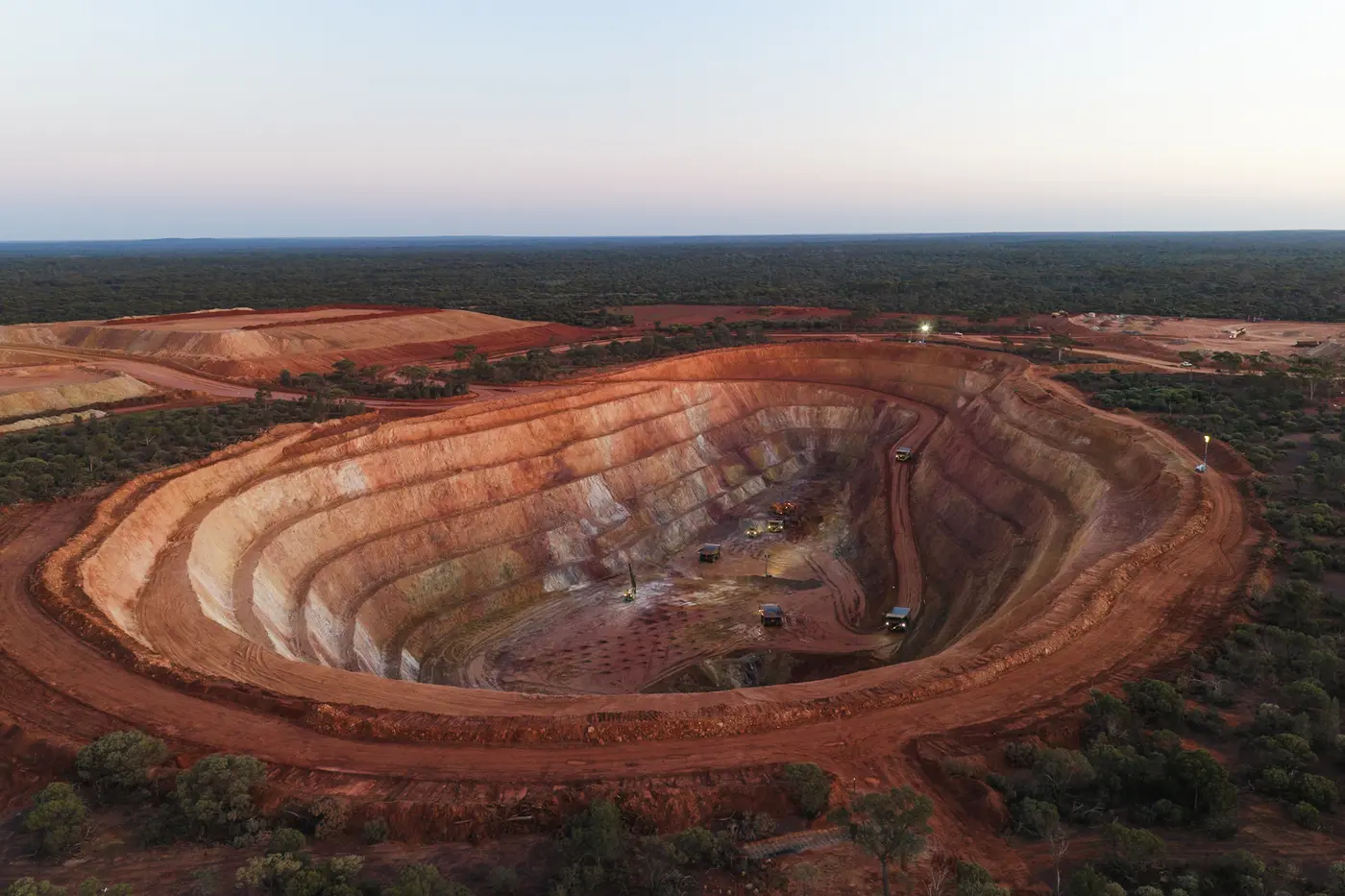
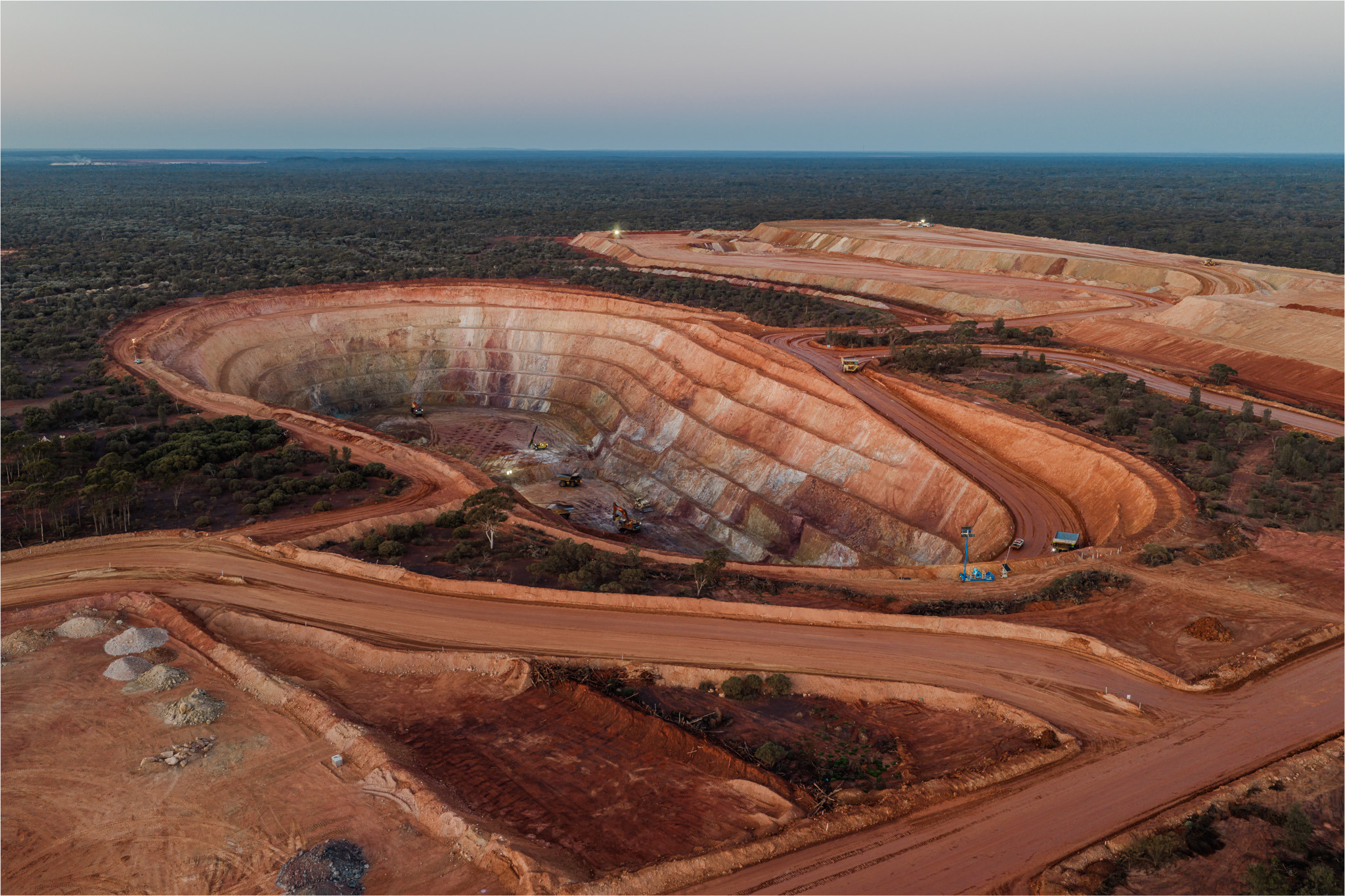
After years of mobilising fleets for other mine operators, MMS took another step: developing and operating its own East Sampson Dam gold project near Kalgoorlie. It is a measure of how far the business has grown. MMS can now bring together its mining fleet, operators, geologists and technical people to plan and run a project of its own, alongside the mine services work it continues to deliver for clients.
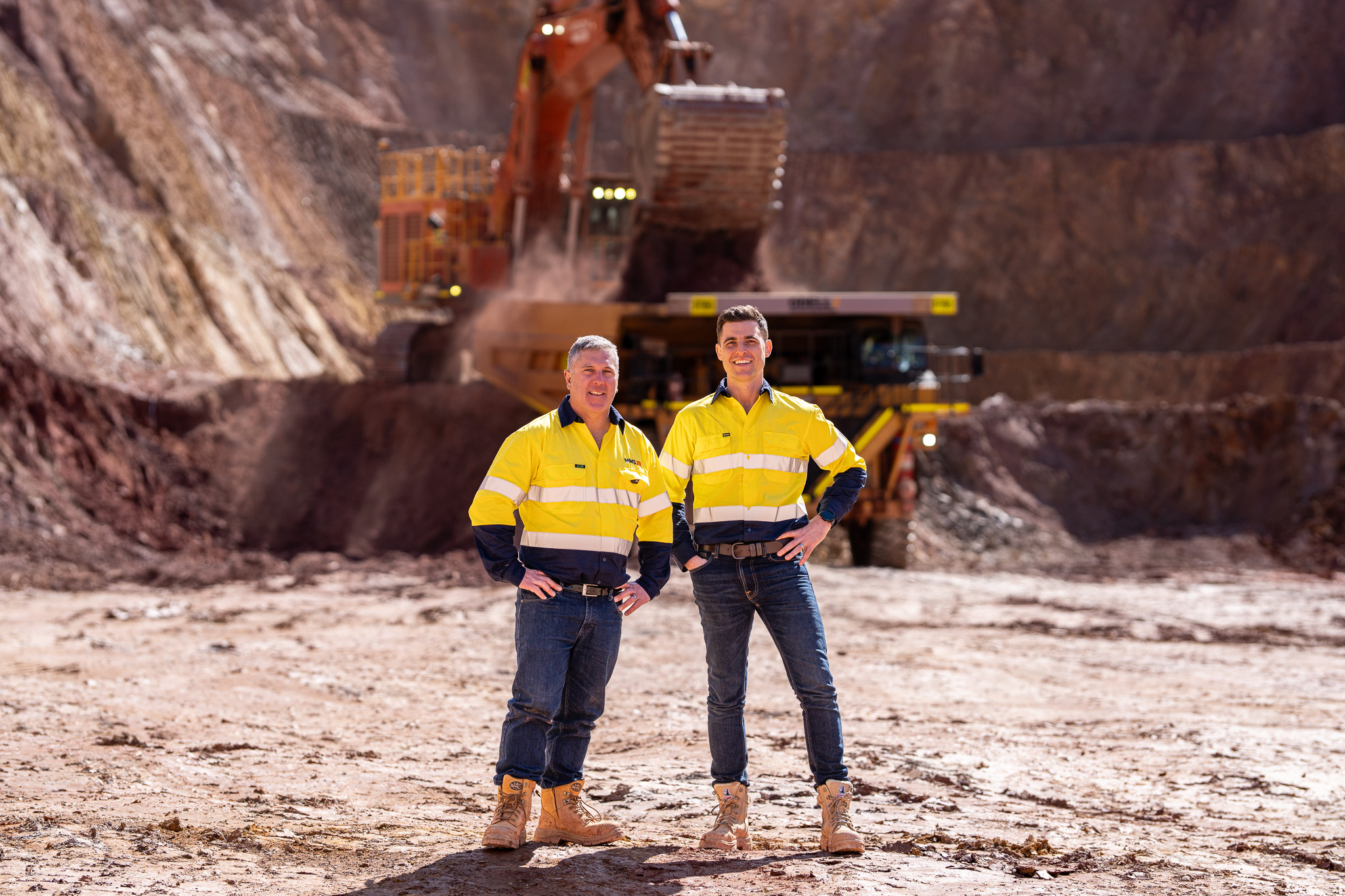
James and Ben mapped the plant and finance capacity likely to be needed for mobilisation before the equipment was committed. We recently visited the operation to see the fleet and the team at work. Standing at the pit puts the earlier planning in perspective: the machines, people and funding all have to arrive in the right sequence for a mine to run.
MMS has also entered joint ventures with mining partners, bringing its operational capability and fleet to shared projects. East Sampson Dam is MMS’s owner-operated project; those partnerships are separate opportunities. For James, the striking part is seeing a business that once needed a water cart for a civil job now able to plan and execute mining work at this scale.
Choose OEM finance when it serves the fleet.
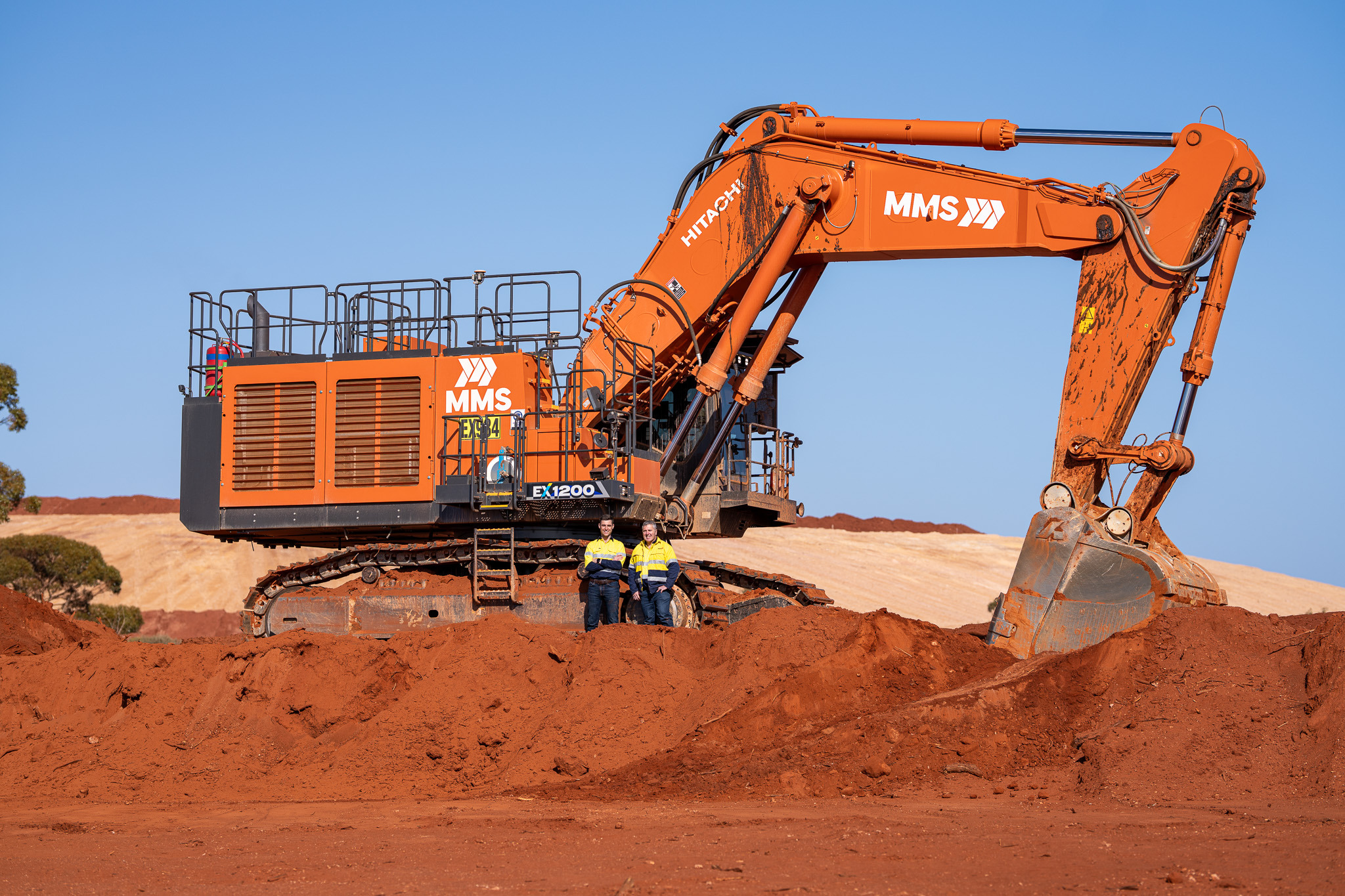
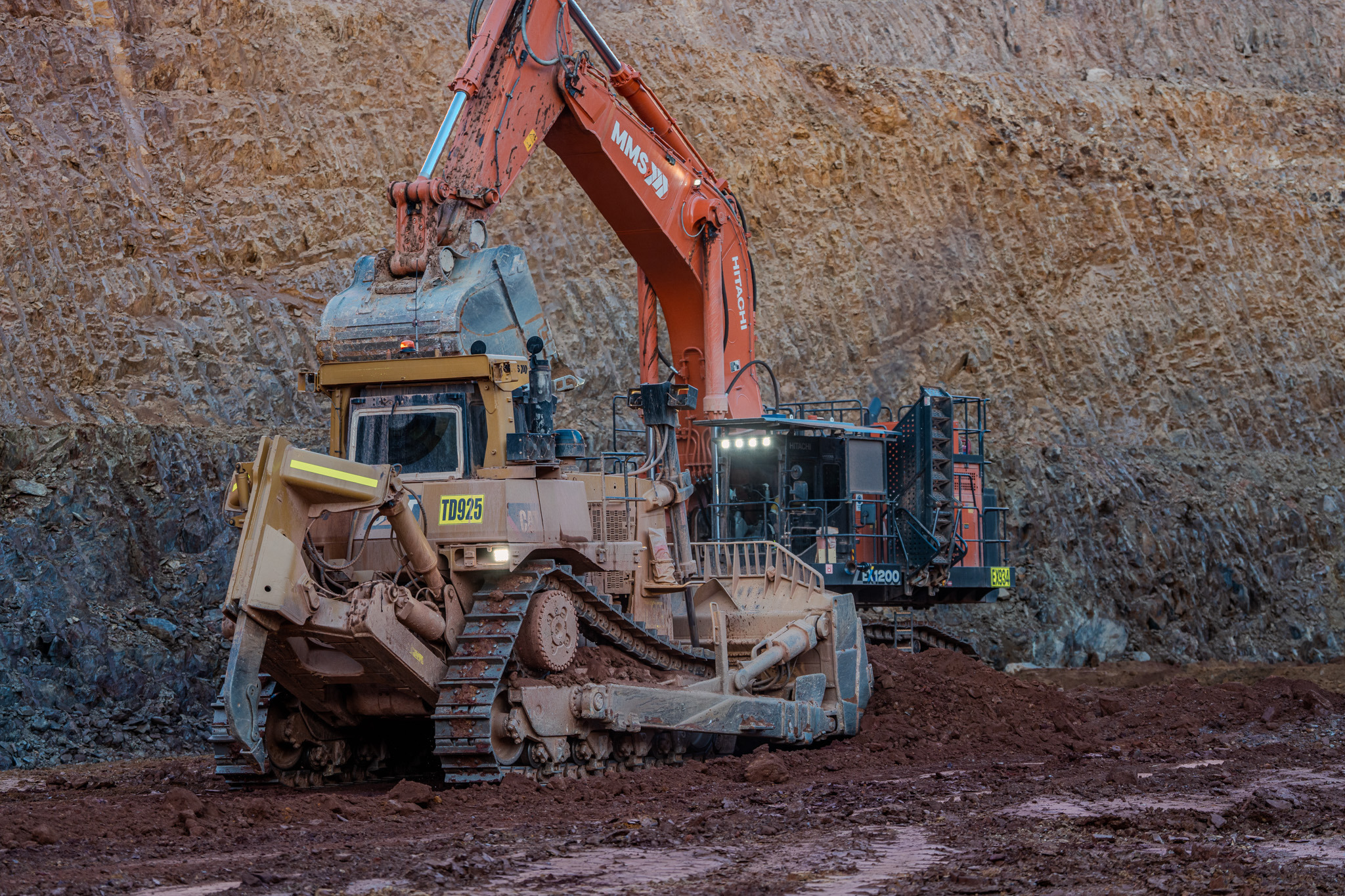
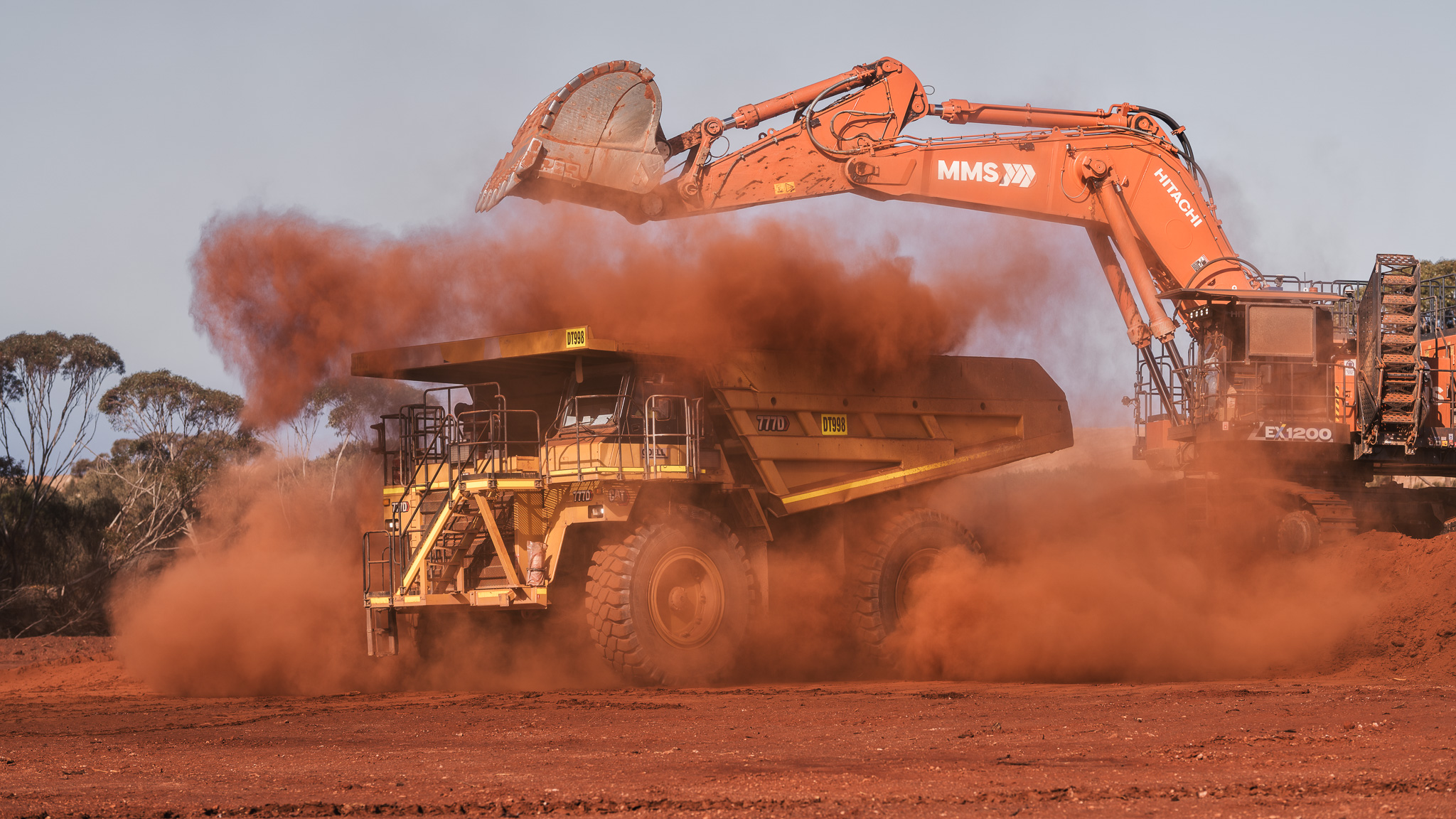
MMS bought its large excavators new for reliability, warranty and OEM service support. MFG sometimes recommended Cat Finance or Marubeni Finance associated with Hitachi for these machines, protecting bank and non-bank capacity for the rest of the fleet. Supporting plant could be new, demo, near new or used, sourced from dealers, private sellers or auctions. MFG also financed some new excavators when OEM repayment or GST structures were less suited to MMS’s cash flow. MFG did not fund every machine.
Return refurbished equipment to work.
After multi-year contracts, MMS often refurbished engines, transmissions and other components in its workshop instead of buying replacement used equipment. Where suitable, MFG obtained formal third-party valuations, including from firms such as Pickles, Slattery and Ritchie Bros, then approached lenders about finance secured against refreshed assets. That could return some refurbishment capital to MMS, subject to valuation and lender assessment.
Plan for the annual insurance bill.
MFG works with MMS’s insurance broker to obtain renewal invoices early and arrange premium funding. Annual insurance, workers compensation and related bills now exceed $2 million. For MMS, a 12-month repayment structure rather than a typical 10-month structure can materially reduce the monthly burden. It depends on the funder and policy.
What we’ve financed for MMS over 10 years
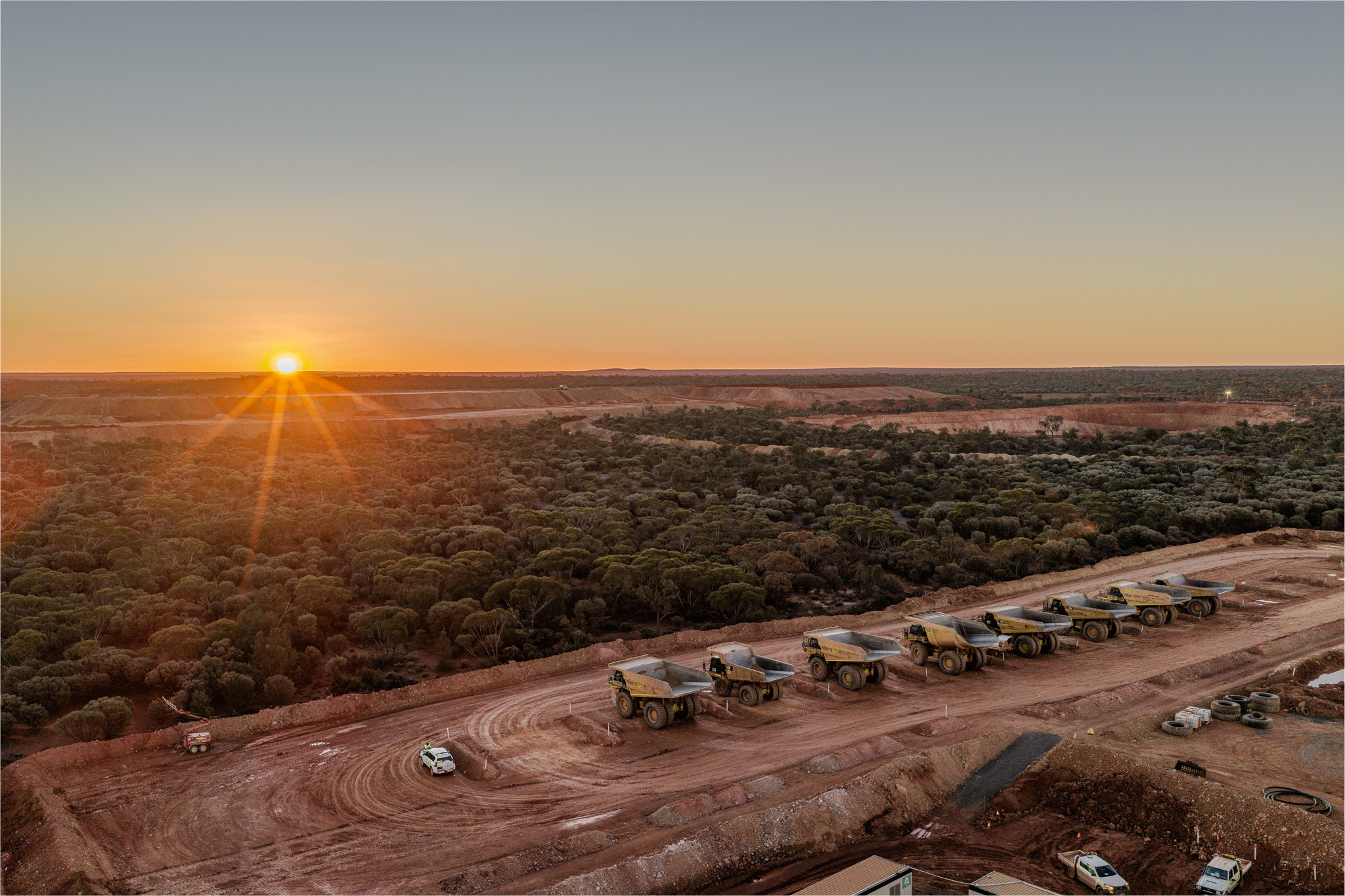
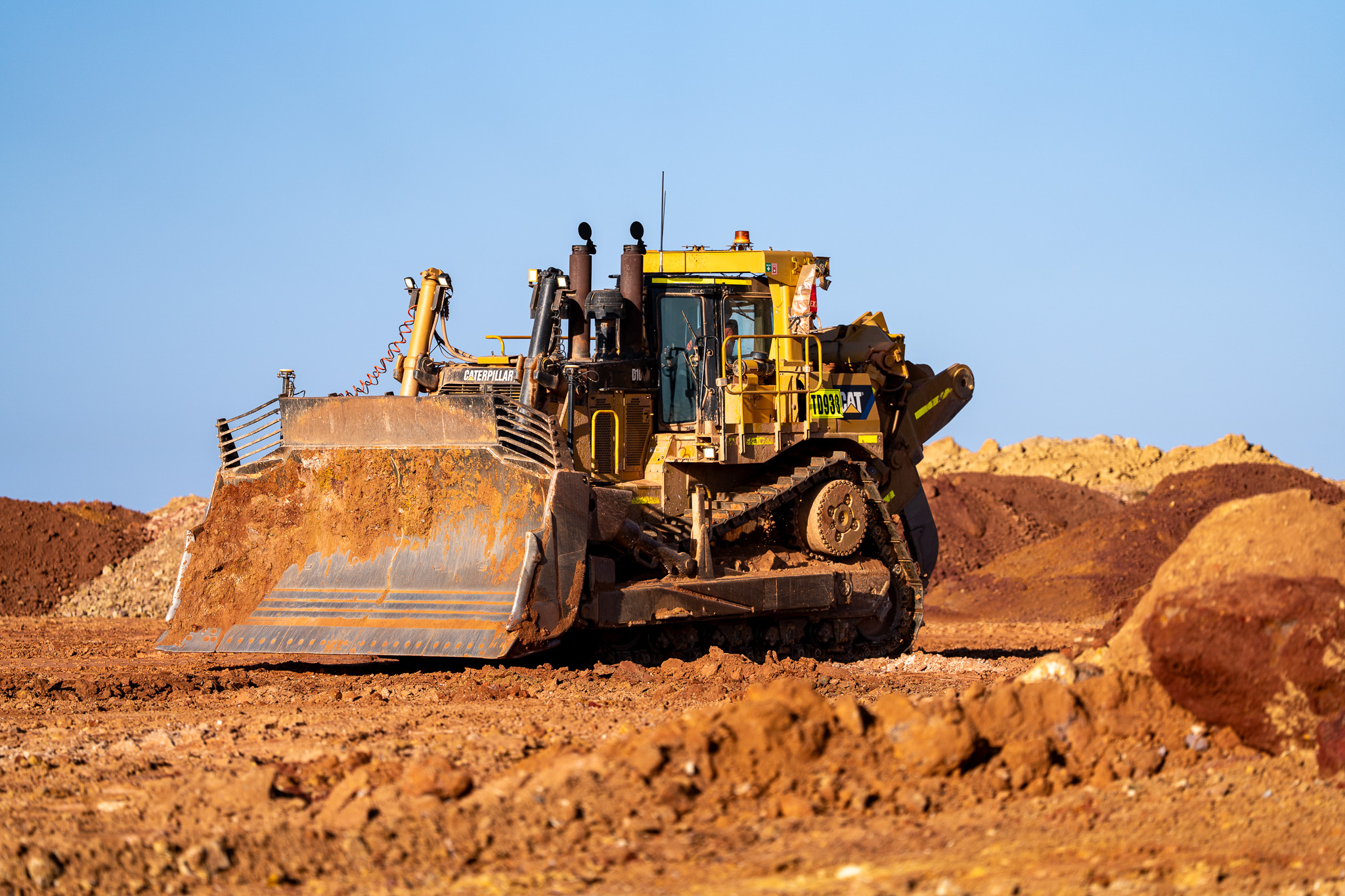
Assets and purchases MFG has helped finance across civil and mining work. Some large excavators were deliberately funded through OEM providers as part of the wider strategy.
- Excavators from 50 to 200 tonnes
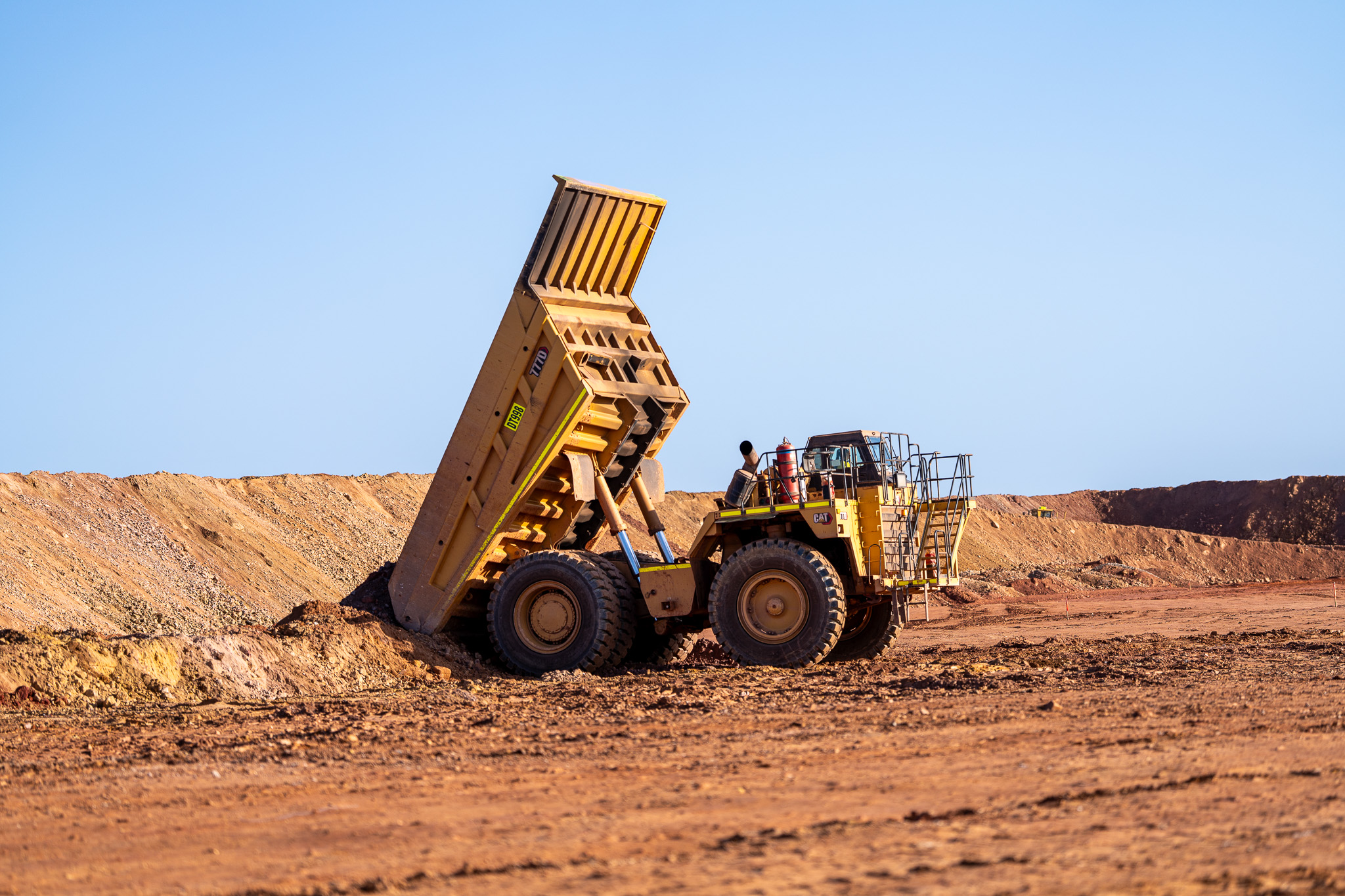
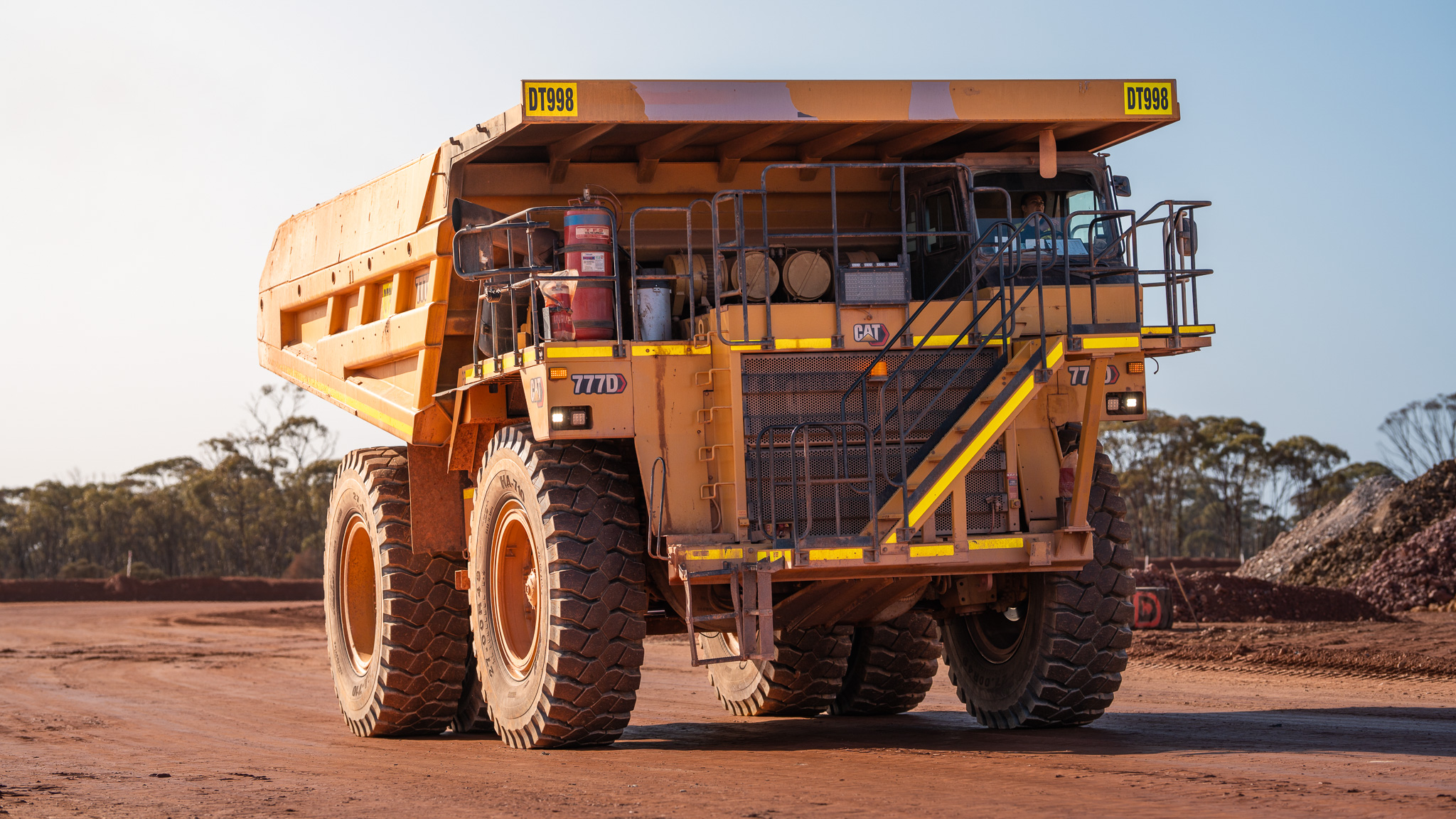
- A dump truck fleet of around 100 and growing
- Drill rig
- Work utes, buses and passenger vehicles
- Field service trucks
- Water carts and fuel trucks
- D6 to D10T dozers
- 140 and 150 series to 16M graders
- Wheel loaders
- Prime movers and floats
- Crane trucks
- Site offices
- Generators
- Workshop hoists
- Aerial work platforms
- Lighting towers
- IT software
Ten years of working together.
Ben and I have worked together for 10 years. I count him as a friend. We’ve supported each other through a lot of decisions, and the trust means I can be direct about what the business can fund, what needs more work and when another option is better. Seeing what Ben and the MMS team have built has been a privilege. My job is to keep the finance position clear for whatever they decide to take on next.
James Allan, MFG FinanceKnow what you can fund before the next tender lands.
One machine or a whole mining fleet. Let’s map the capacity and timing before you commit to the work.
Let’s Grow Together