
Full read · 2 min
In this article
We wanted business owners to have a broker who understands the credit decision, not just the application form.
The experience we brought together
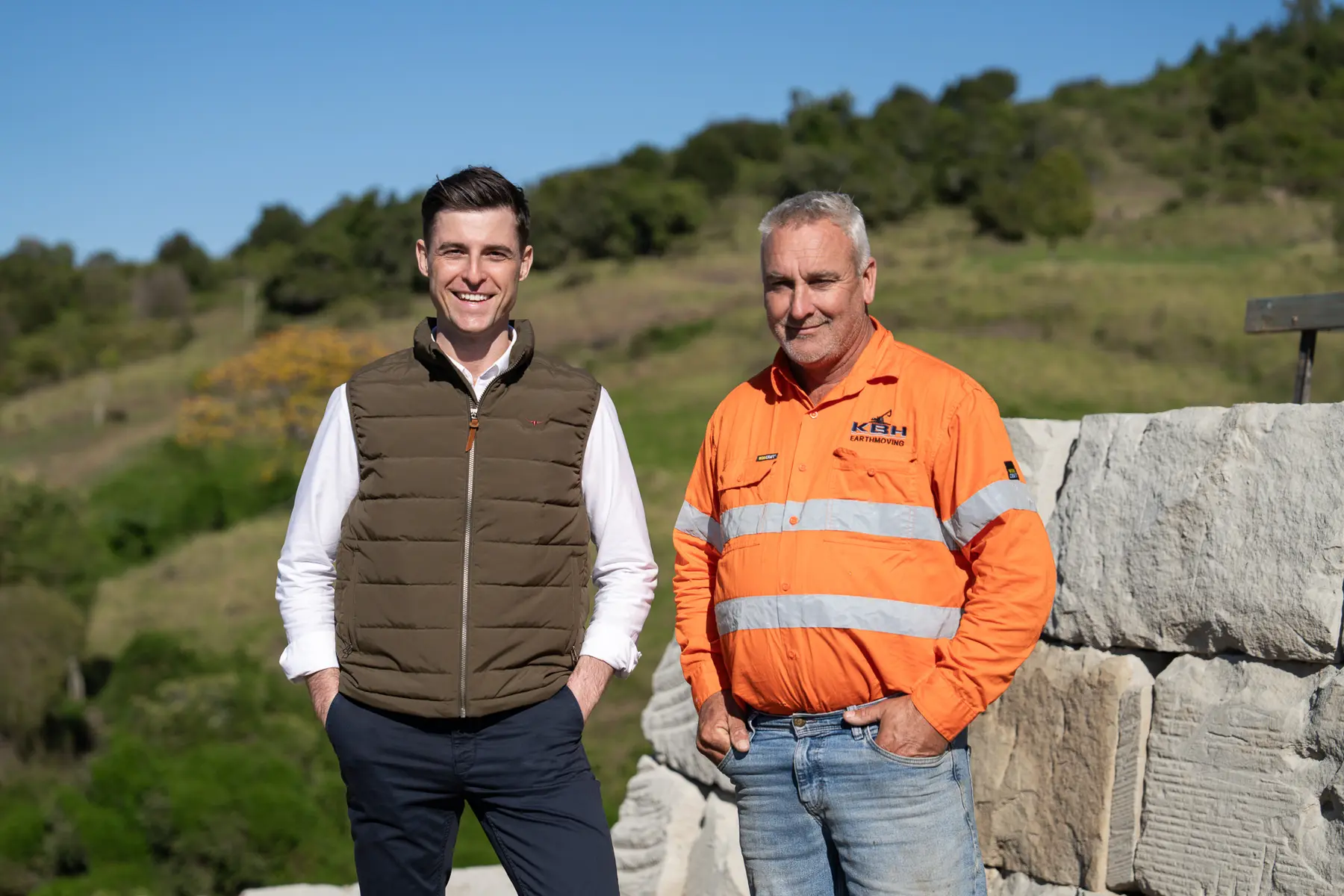
I founded MFG in 2022 after working in equipment finance from 2012, including years in credit, documentation and settlements before broking. Dan and I bring close to 40 years of combined commercial equipment-finance experience across credit, banking and the client side of transactions.
We have collectively handled more than a billion dollars in transactions over our careers. That is lifetime transaction exposure, not MFG settlement volume. The useful point is what that work taught us about how lenders assess a business and how an approval is actually executed.
A loan starts well before the application
A lender looking at a substantial equipment purchase will consider more than the invoice and a credit score. We look at financial statements, cash flow, the existing debt schedule, security, fleet utilisation, customer contracts and the next equipment purchases. Then we explain the transaction in a way the right lender can assess.
That work can start months ahead of a major fleet program. It gives the owner time to improve the information, understand the likely lender questions and make a deliberate choice, instead of reaching for the first quick approval after an order has been signed.
Low doc is an option, not the entire strategy
Low-doc finance is useful where it fits. But a business with strong financials should not be confined to a narrow set of fast, document-light products because its broker cannot analyse or present a full-credit application.
We examine major-bank and non-bank options, lender limits and the impact each placement has on future borrowing capacity. Sometimes the fastest option is right. Sometimes waiting to prepare a stronger full-doc case gives the business a better long-term result. We tell the client what the trade-off is.
Direct with the people doing the work
Clients speak with James and Dan, from the initial enquiry through lender engagement and settlement. There is no junior hand-off or volume target deciding which product they see. We want to know the business well enough that the next conversation starts further ahead.
The transaction matters. The position it leaves you in matters more. That is why MFG is built around ongoing equipment and banking relationships, not a fresh sales pitch for every machine.
What credit-side experience changes in practice
James spent his early years in credit, documentation and settlements, then moved into broking. Dan brings his own senior credit and banking experience. Between us, we have worked on transactions from individual equipment purchases to multi-million-dollar assets, fleet refinances, restructures and larger revolving facilities. When we say we know how to engage a bank, we mean the work of assessing the borrower’s financials, existing commitments, security and the lender’s likely questions before we send an application.
That can mean telling an owner months ahead of a planned purchase that we need updated financials, a cleaner debt schedule, a clearer work pipeline or a different borrower structure. It can mean approaching the bank with a whole fleet program and a proposed limit instead of a series of urgent requests for one more machine. A broker who only has an invoice and a quick low-doc form cannot make those same choices on behalf of a complex business.
The relationship should survive a change of banker
Bank personnel and credit appetites change. Business owners should not have to re-explain the entire fleet every time a relationship manager moves or a lender reaches its exposure limit. Our job is to know what is already financed, the facilities available, what needs replacing and where the next transaction might fit. We can bring the appropriate banker or specialist lender into that picture and keep the execution moving through documentation and settlement.
The combined career exposure of more than $1 billion describes transactions James and Dan have handled across their careers, not loans settled by MFG as a firm. We include the distinction because a large number means little without it. The value to the client is that the people on the phone can read a credit file, challenge the proposed structure and stay involved beyond one approval. We deliberately work with a smaller group of clients directly rather than route each enquiry through a sales queue.
Every business, asset and lender is different. Talk through your circumstances with your advisers before making a finance decision.