Full read · 1.5 min
In this article
We arrange finance, not insurance. But we see how much the right insurance relationship matters when equipment has to go to work.
The asset needs cover that matches the work
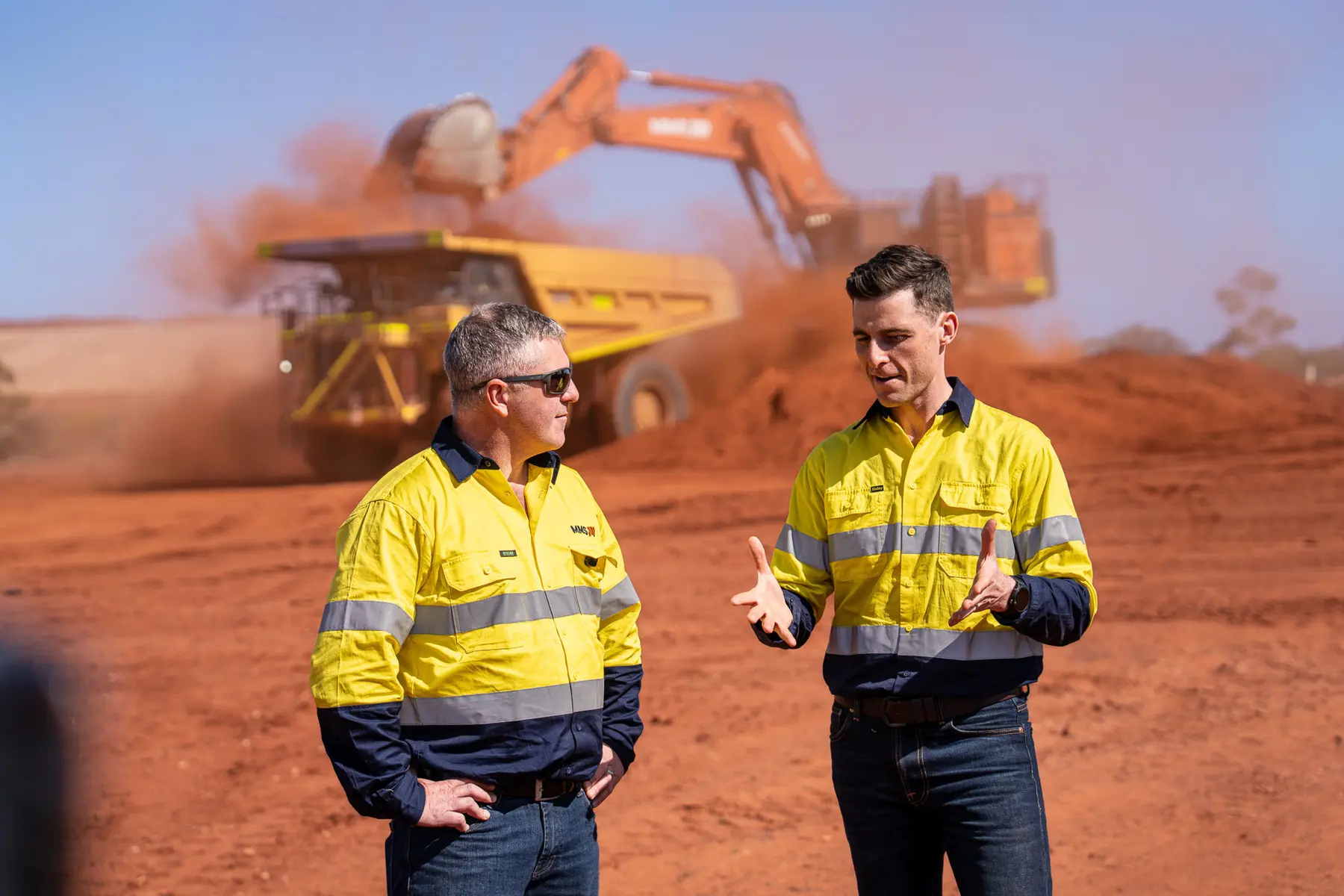
An excavator on a mine site, a prime mover moving freight and a machine hired to another operator do different jobs. A broker who knows the sector can ask better questions about where and how the equipment is used, who is operating it and what the contract requires. A low premium by itself does not show whether the policy suits the exposure.
Insurance advice and policy interpretation belong with a properly authorised insurance professional. Our role is to make sure finance and settlement requirements are communicated in time, including any certificate of currency a lender needs.
Settlement should not be the first insurance conversation
When a new machine is arriving, the owner, supplier, lender and insurer may all be working to different clocks. A sector specialist is better placed to respond to the asset description, finance interest and contract conditions without starting from scratch.
Ask your insurance broker how newly acquired assets are treated under the actual policy. Do not assume an automatic extension covers every purchase, location or use. Confirm cover and effective dates before delivery and settlement.
Choose the person, not the largest logo
The best broker for a heavy-equipment business is one who understands its risk and stays close when the fleet changes. MFG can introduce clients to Australian insurance specialists we know, while the client remains free to choose its own adviser. We do not provide insurance product advice.
In our own work, a timely certificate and a clear conversation about the next machine can prevent an avoidable delay. The value of a specialist relationship often shows up when something changes, not on the day the policy is first sold.
Questions a sector specialist should be asking
In earthmoving, transport, construction and mining, I would want an insurance broker who asks where the asset will operate, who controls it, whether it is hired out, what the principal’s contract requires and how the fleet changes during the year. The questions for a prime mover are different from those for a crushing plant or a machine moving between civil and mine work. A broker who knows the industry should know when to obtain the right detail from the operator rather than assume the previous policy describes the next asset.
That expertise matters to finance execution too. If a lender requires its interest noted and a certificate before settlement, the insurance broker needs the correct asset identification and effective date in time. If equipment is delivered before it starts earning, the owner still needs to understand what cover applies during that gap. The insurance adviser should confirm the policy response; we coordinate the finance requirement and timetable.
Look at service after placement
I would not choose an insurance broker solely by the largest logo or the lowest premium. Who answers when a $500,000 machine is bought on a Friday afternoon? Can they explain changes in cover when an asset moves, is hired, or is replaced? Will they review exclusions, excesses and the wording relevant to the contracts the business actually performs? A cheap policy is no bargain if the owner misunderstood a material limitation.
We have seen the value of introducing a client to someone who knows plant and heavy industry. The benefit can be better questions, more suitable cover, responsive certificates and sometimes lower premiums. We do not assess the policy or promise a saving. The business should compare advice, remuneration, insurer terms and service with a properly authorised insurance professional. My point is that specialist businesses deserve specialist advice on both sides of the purchase.
Every business, asset and lender is different. Talk through your circumstances with your advisers before making a finance decision.