Standalone Equipment
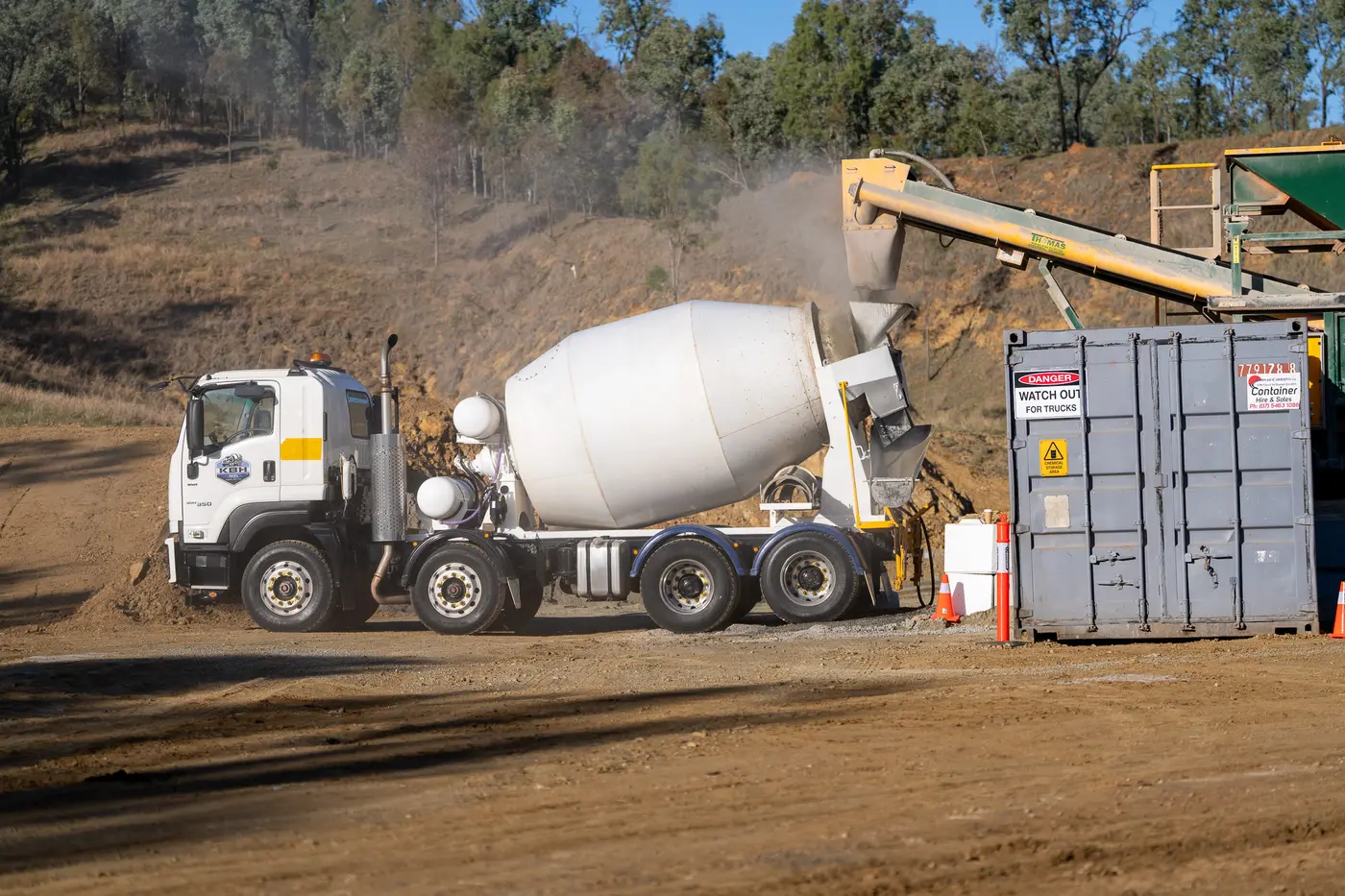
One-off purchases across low doc, mid doc, full doc and, where appropriate, projection-based lending. Major banks and non-banks, chosen for the asset and the business.
 Get started
From a single machine to a growing fleet, we help Australian businesses fund what they need now and plan for what comes next.
See what we do ↓Earthmoving | Transport | Aviation | Manufacturing | Agriculture | Hire | Heavy Industry
We arrange finance for individual equipment purchases and manage the funding strategy behind larger fleets. Clients deal directly with James and Dan as their requirements change over time.
One-off purchases across low doc, mid doc, full doc and, where appropriate, projection-based lending. Major banks and non-banks, chosen for the asset and the business.
Annual facilities for repeat equipment drawdowns as the fleet grows. We work with major banks and specialist non-banks to plan capacity across the year.
Trade out older assets and bring new machines into service. We map payouts, trades and replacement timing, then finance the new fleet across appropriate lenders.
Review debt, release eligible fleet equity and restructure facilities that no longer fit. We assess opportunities to soften monthly repayments, alongside payout costs, lender capacity and the total cost of extending a term.
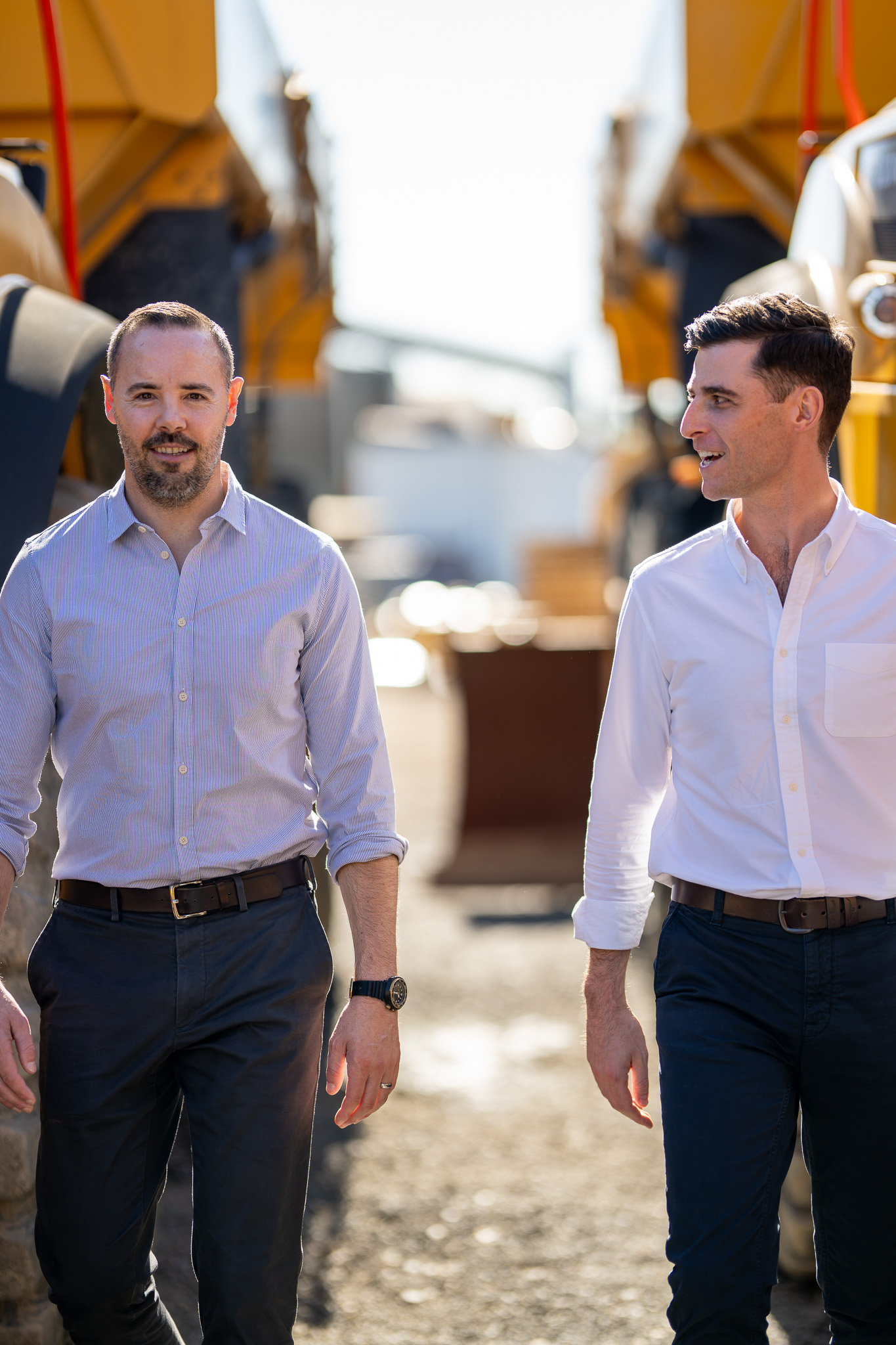
Deal directly with James Allan and Daniel Salajan, with 35 years of combined experience across bank credit and broking.
An owner-led brokerage with no sales team, KPIs or sales targets. We don’t sell, we consult. Deal directly with us, with the time and ongoing attention your business deserves.
We look deeper into your financials and reporting, working with you and your accountant to explain the numbers, identify opportunities and strengthen your position before approaching lenders.
Years in bank and brokerage credit roles give you the luxury of hindsight. We know how lenders assess a business and sharpen the application before it lands, bringing expertise and guidance beyond simply facilitating a low doc loan.
Credit expertise, direct relationships and a wider choice of lenders, backed by recognised work in commercial finance.
Australian Broking Awards
Finalist 2026
CAFBA
Finalist 2023

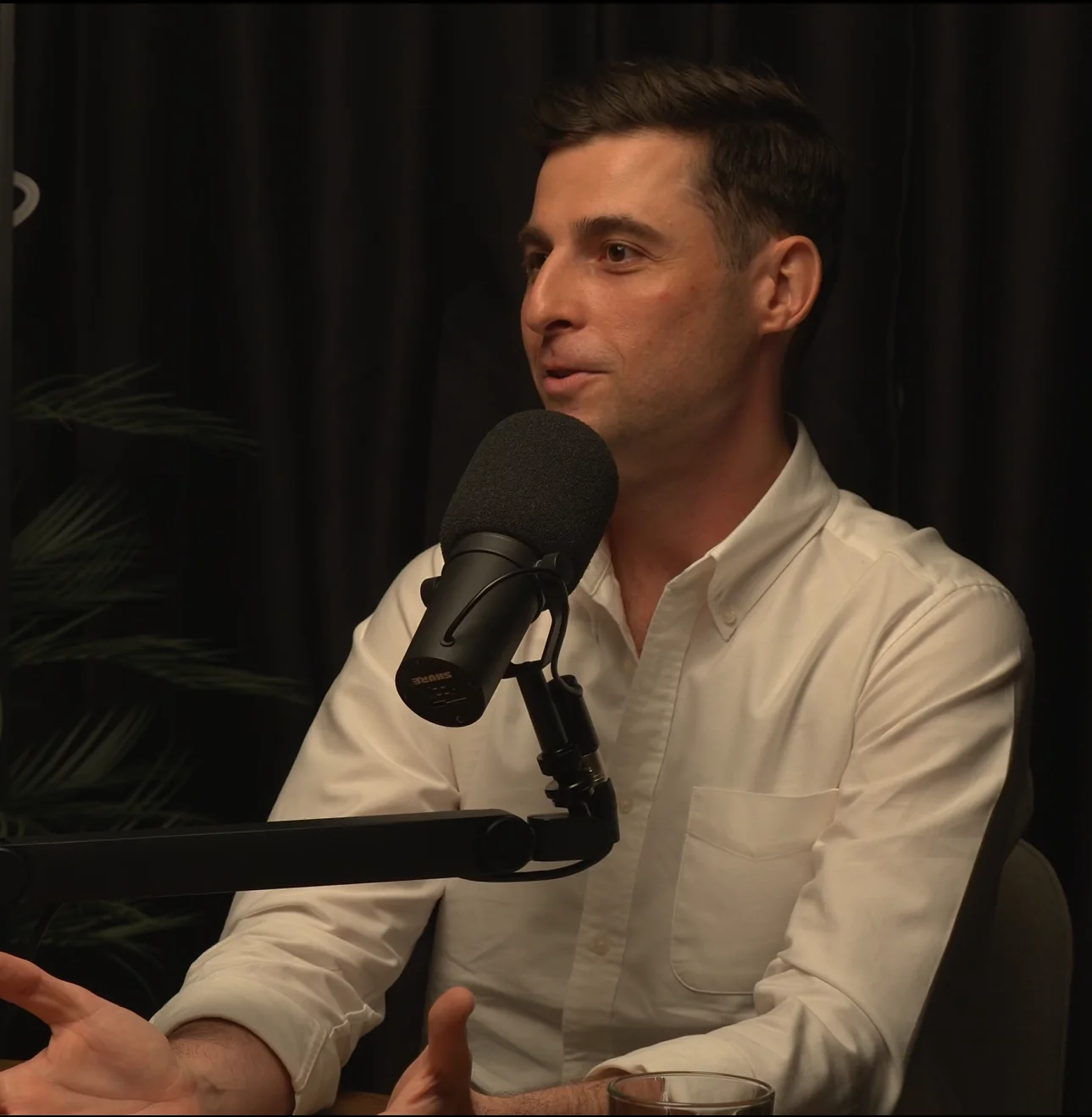
James Allan on commercial finance
Featured guest

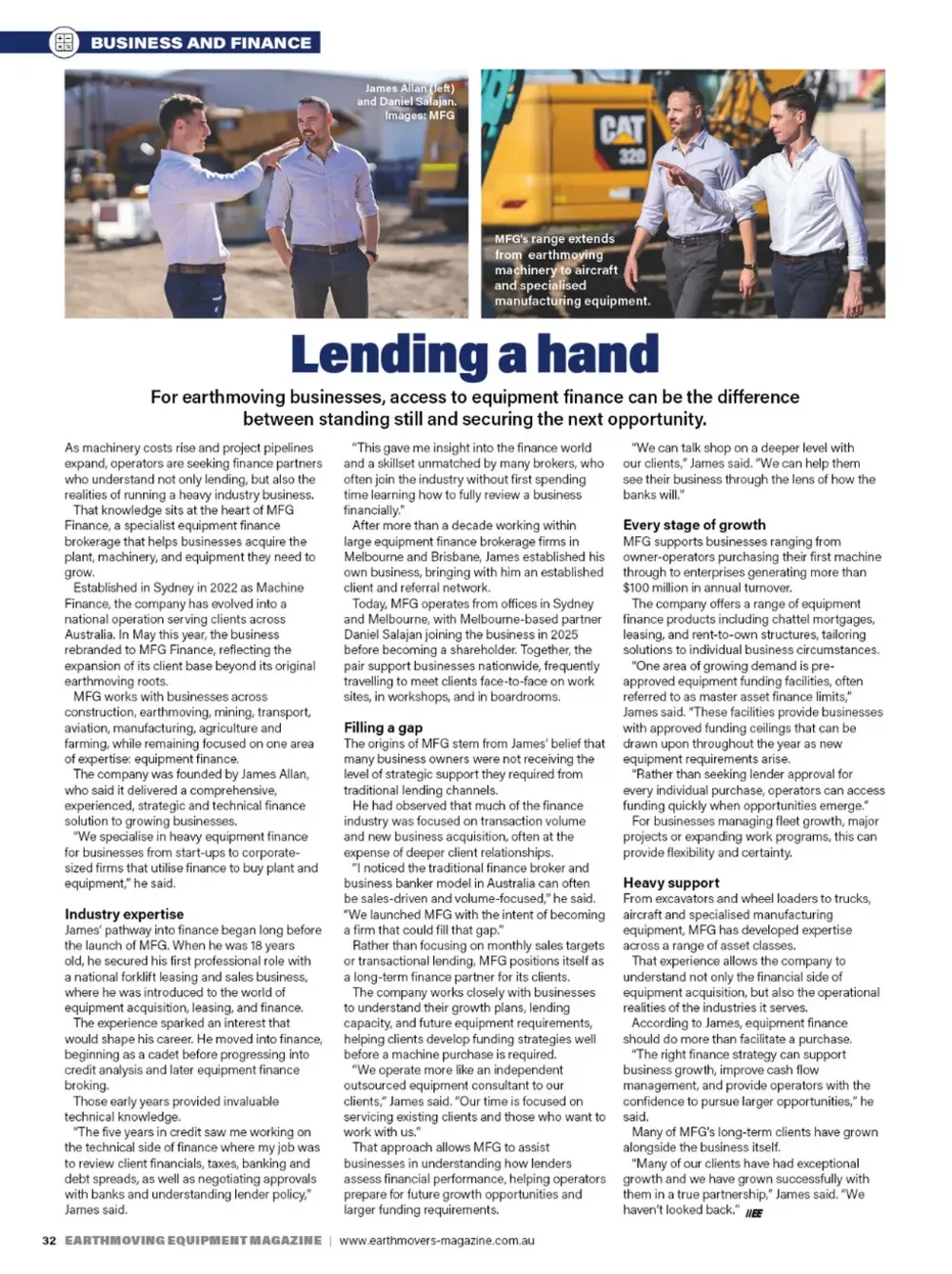
“Lending a hand”
Featured article
From seven new Kobelcos replacing an ageing fleet to funding programs across major mining equipment, these are the businesses and machinery behind the decisions.
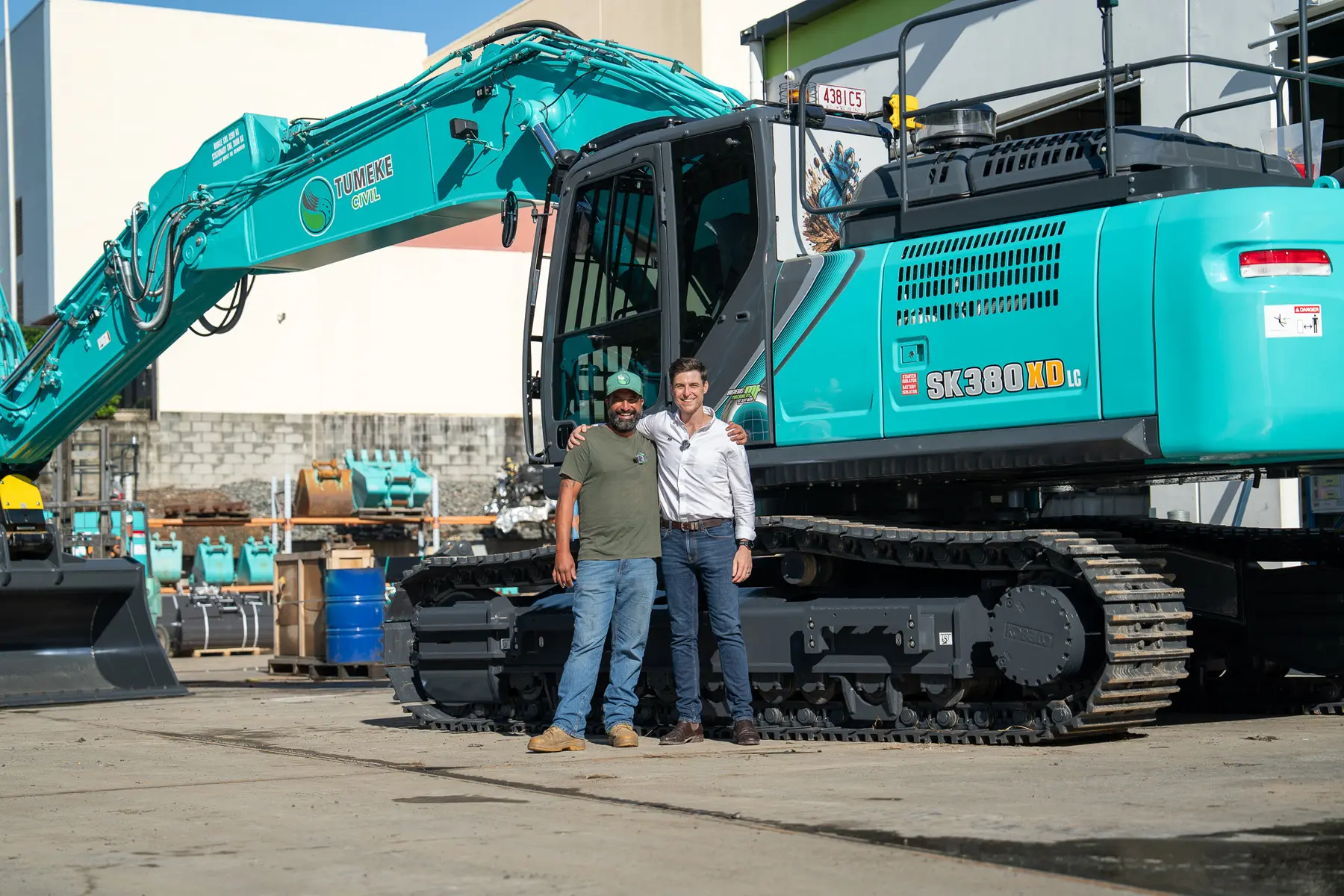 Tumeke CivilSeven new Kobelcos to replace an ageing fleet.Read the story ↗
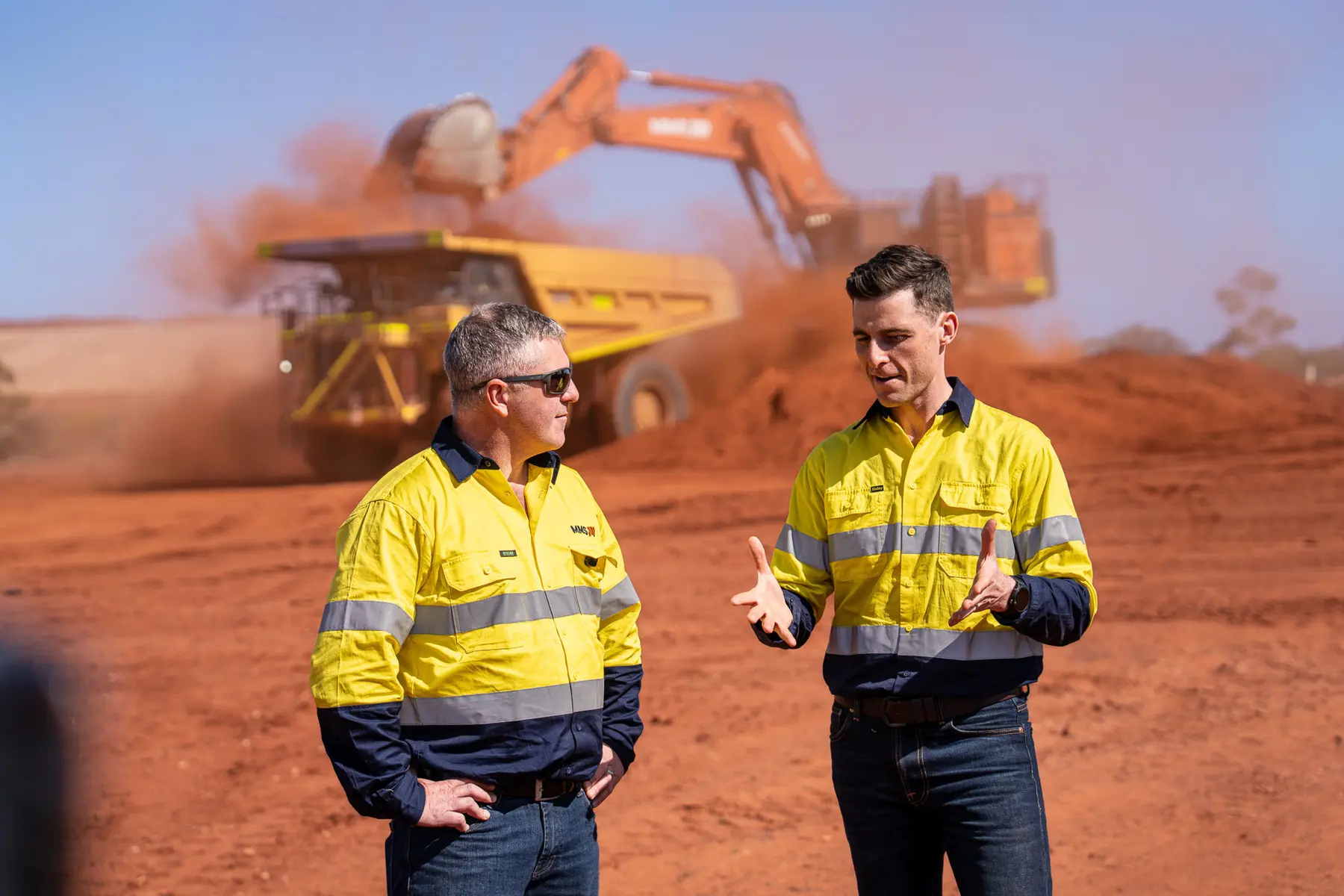 MMSMore than 200 assets over 10 years.Read the story ↗
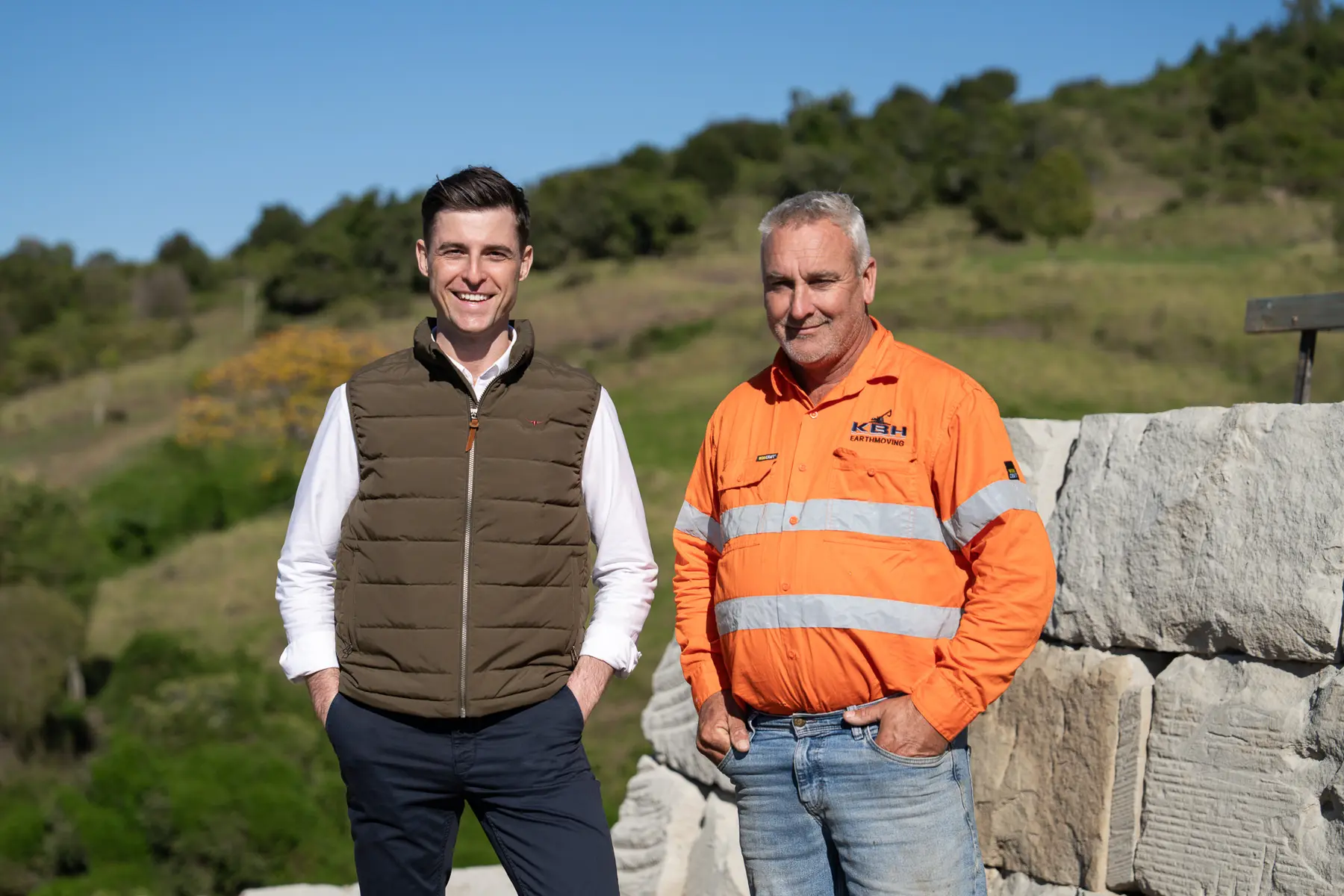 KBH EarthmovingMore than 66 equipment purchases over four years.Read the story ↗
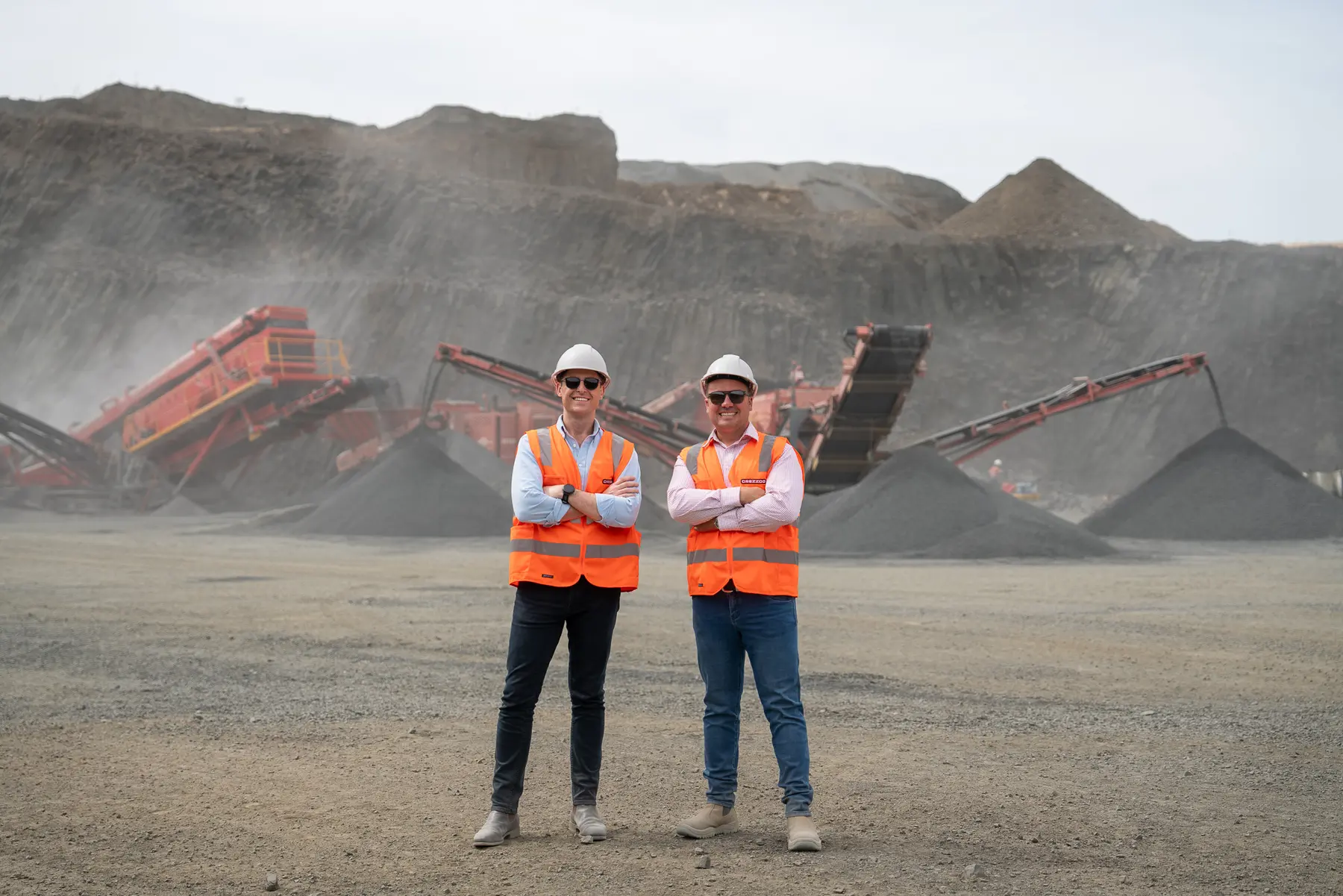 CrezzcoFunding an acquisition and a new quarry contract.Read the story ↗
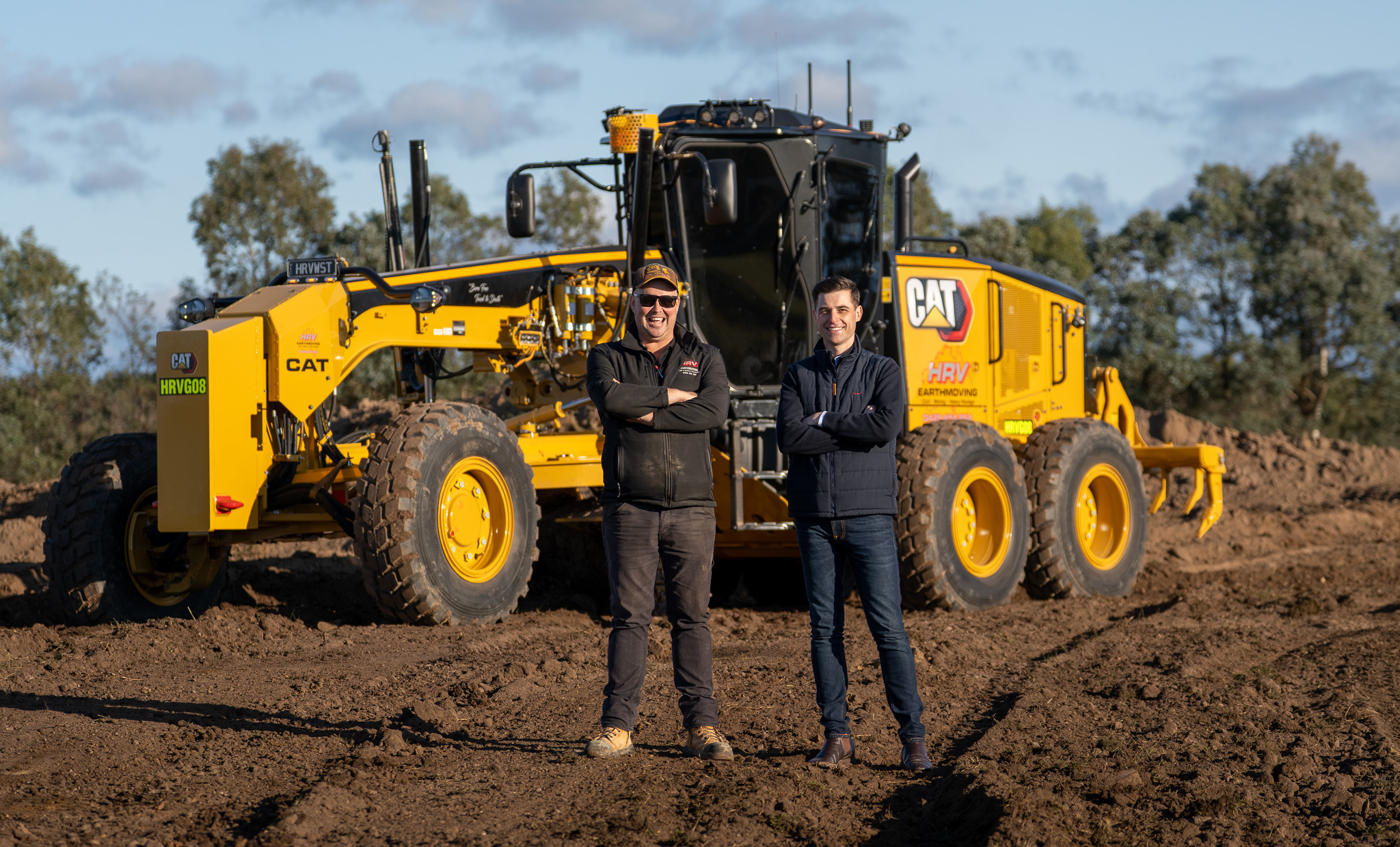 HRV EarthmovingReplacing aged assets while protecting future capacity.Read the story ↗
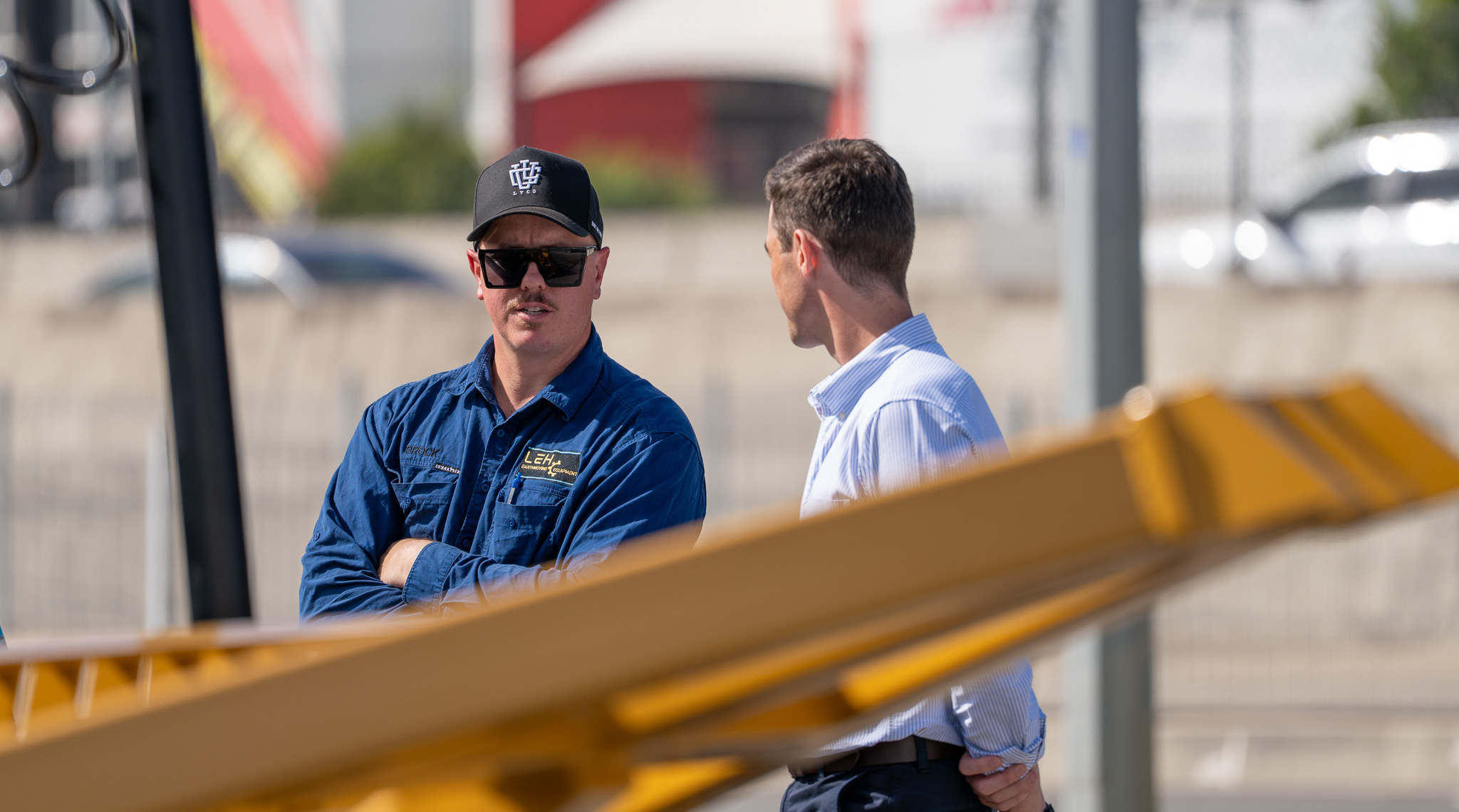 LEH EquipmentFrom start-up to three dozers in three years.Read the story ↗
A clear credit case, a view of your capacity and a plan for what comes next.
We review your financials, reporting and existing debt, then work with you and your accountant to explain the numbers and strengthen the application before it reaches lenders.
See the lender options, available capacity and challenges we identify. We map fleet debt and exposures so you can plan purchases, tenders and replacements with a clearer view.
Today’s cheapest lender may be the one you need for a larger facility tomorrow. We consider each purchase against your wider plans and stay involved as the business grows.
One purchase or a bigger funding plan. Start with the business, the timing and the next move.
Our clients range from operators buying their first working machine to established businesses planning annual equipment expenditure of around $500,000 to $50 million. The common thread is equipment that earns its keep.
An operator setting up as a contractor and buying the machine or vehicle that gets the business moving.
Established businesses replacing assets, funding new contracts and planning purchases across the year.
Larger fleets that need deliberate debt placement across more than one lender and capacity kept available for the next move.
MFG focuses on business and equipment finance. By avoiding one-off consumer applications and a high-volume transactional model, we can give commercial clients the time, continuity and meaningful support their businesses need.
From machines on a mine site to production equipment on a factory floor, we look at the asset, the work it will do and how it fits the wider business.
A mine or mining-services contract can call for an entire working fleet, not just one machine. That might start with one or two production excavators and a run of dump trucks, then grow to the dozers, graders, loaders and support vehicles that keep the site moving.
We map the fleet, the project and the existing debt before deciding which lenders should fund each part. For planned purchases, we can work through major-bank facilities and other suitable lenders so there is capacity for the next machines as the job develops.
An earthmoving contractor may run several excavators across jobs, while a quarry may need a crusher, screens and loaders working together. The fleet often includes water carts, highway trucks and light vehicles as well as the main production plant.
We look at replacement cycles, trade proceeds and what each job will demand next. The goal is to place large machines and supporting assets across suitable lenders without using up the borrowing room needed for the next project or fleet refresh.
Civil work rarely arrives one machine at a time. A new road, subdivision or infrastructure contract may need excavators, graders, rollers and trucks mobilised in stages, with the next tender already in view.
We discuss the pipeline, timing and existing commitments before arranging finance. Where the numbers support it, a facility or planned lender spread can make repeated purchases easier to execute as work is awarded.
Whether the work is local delivery, a dedicated customer contract or interstate freight, the right vehicle mix matters. Prime movers and trailing equipment may need to grow together, while smaller support vehicles still draw on the same business cash flow.
We assess the routes, customer concentration, fleet age and current lender exposure. Then we plan where to place replacements and extra capacity so one approval does not limit the next truck or trailer.
Commercial aircraft funding starts with what the aircraft will do: charter, mustering, survey, rescue, freight or travel to remote operations. The aircraft, operator, ownership structure and intended use all affect the lender conversation.
We work through the purchase, valuation, aircraft records and security requirements, including imported aircraft where relevant. We then approach suitable banks and specialist lenders with the operating case clearly set out.
Hire businesses need enough equipment available to meet demand, while keeping utilisation and replacement costs under control. Growth can mean buying several different assets across the year rather than repeating one standard purchase.
We review the fleet mix, hire income and upcoming purchases, then consider annual funding limits and a lender spread. That gives the business a way to refresh older gear and add capacity when customer demand justifies it.
A production line or steel workshop may need machinery that is installed inside the premises and works as part of a larger process. Fixed plant is within scope, subject to the asset and lender requirements, along with the extraction, handling and support equipment around it.
We can work with you and your accountant to explain the commercial case: output, downtime, labour efficiency, wastage and expected cost savings. That helps a lender see the investment behind the numbers, rather than just a quote for one machine.
A workshop upgrade can involve a CNC router, edge bander, saw and extraction system working as one production flow. Installation inside a factory does not rule out finance; we look at the machine, installation and lender security position together.
We help make the case for the upgrade by examining throughput, material waste, rework and labour hours. If several machines are being replaced or added, we can plan their funding as a linked investment rather than isolated purchases.
Glass and plastics businesses often invest in substantial fixed processing machinery. A new cutting, tempering, extrusion or moulding line may change the amount the factory can produce, the waste it generates and the cost per unit.
We look at the complete installed asset and the supporting equipment, then work through the output and cost case with the business. A clear explanation of the investment can be as important as the machine valuation when seeking a full financial approval.
Farming equipment has to be ready for the season, often before the income from that season arrives. A business may be replacing a tractor while also planning a harvester, seeder or spraying unit for the next stage of work.
We consider the operating cycle, existing equipment debt and timing of purchases. The structure needs to fit the asset and the business cash flow, with room to act when another machine is required.
Forestry and tree-care work puts specialised machines into tough service. Contractors may need harvesters and forwarders for production, or chippers, mulchers and access equipment for clearing and arborist work.
We take the time to understand the work, machine age, hours and resale market before positioning a request. For an expanding fleet, we also plan how the specialist assets and support trucks sit across lenders.
A waste or recycling operator may need collection vehicles on the road and processing plant at the depot. New contracts can require both sides to expand together, from trucks and bins to shredding, crushing or sorting capacity.
We assess the contract base, fleet and plant as a whole, then consider which assets belong with which lenders. That helps preserve capacity for the next vehicle, processing upgrade or site expansion.
MFG is directly accredited with all major banks, alongside an extensive panel of non-bank, specialist and private lenders.
 CAFBA 101556
 FBAA M-359967
 AFCA 89354





























Panel shown is indicative and subject to lender accreditation, credit policy and transaction requirements.
See how term, rate, balloon and payment timing change the monthly commitment.
Illustration only. Assumes a fixed nominal annual rate divided into monthly periods, level monthly payments and a balloon due at the end. Excludes fees, taxes and insurance. In advance means the first repayment is made at the start. This is not a lender quote.
Talk through the purchase →From the desk
Buying your first machine? Replacing a fleet? Start with the situation as it is. We’ll talk through the assets, the timing and what the next decision means for your business.
Replacing equipment or planning the next purchase? Tell us what you have in mind.
"*" indicates required fields